

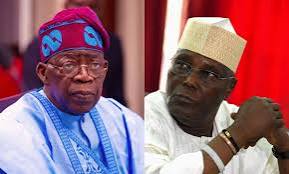
President Bola Tinubu has renewed his criticism of former Vice President Atiku Abubakar, accusing him of presiding over a privatization programme that, according to the President, failed to protect the interests of pensioners and public sector workers.
Speaking amid ongoing political exchanges over Nigeria’s economic direction, Tinubu alleged that the sale of government-owned assets during Atiku’s time in office did not translate into improved welfare for retired civil servants. He claimed that many pensioners were left without their full entitlements despite the implementation of wide-ranging economic reforms.
The President’s remarks add to the growing war of words between the two political figures, whose differing views on governance and economic policy have continued to dominate national discourse. Tinubu argued that any assessment of past administrations should take into account the impact of policy decisions on ordinary Nigerians, particularly vulnerable groups such as retirees.
Atiku has consistently defended the privatization programme implemented during the administration in which he served, maintaining that the reforms were designed to increase efficiency, encourage private investment, and reduce the financial burden of maintaining state-owned enterprises. His supporters have also argued that the policy formed part of broader efforts to modernize the Nigerian economy.
The latest exchange is important because it revives debate over one of Nigeria’s most significant economic reform initiatives. Privatization remains a contentious issue, with proponents citing improved business performance and investment opportunities, while critics question its transparency and its long-term impact on employment and workers’ welfare.
Nigeria embarked on major privatization reforms in the late 1990s and early 2000s as part of efforts to restructure the economy. Since then, the programme has remained a recurring subject of public discussion, with successive governments and political leaders offering contrasting assessments of its outcomes and legacy.


