

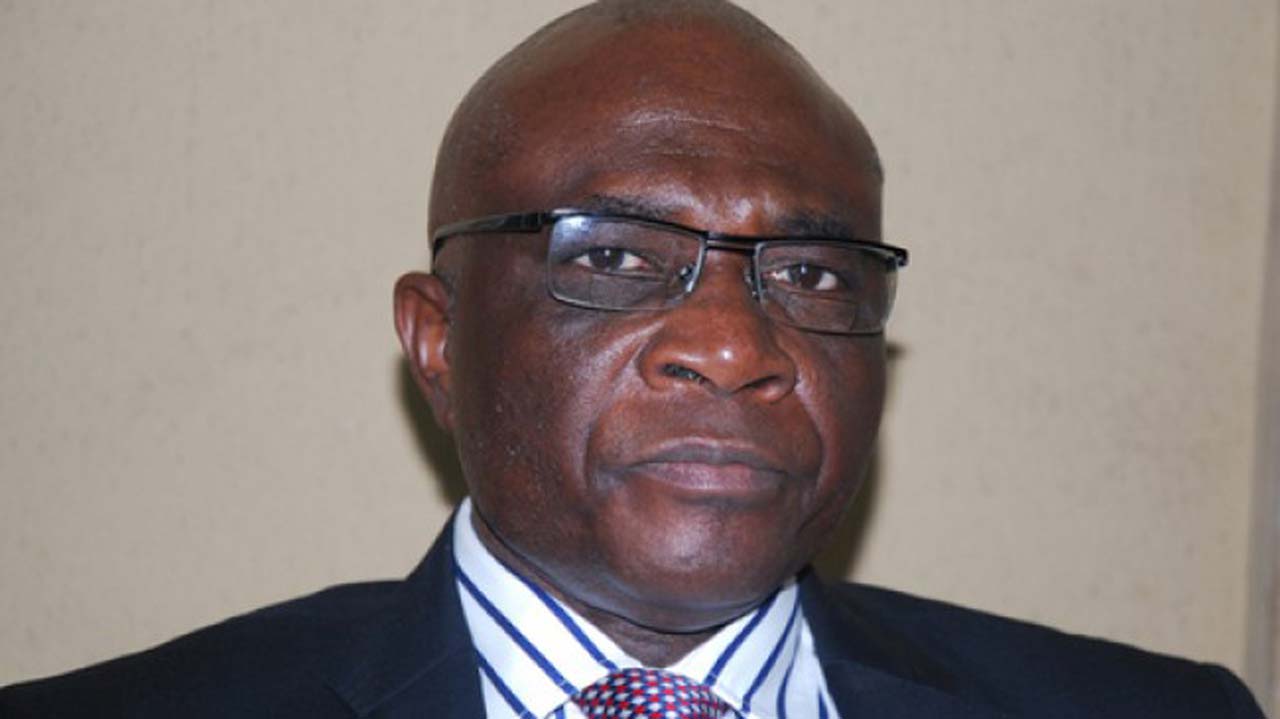
The Special Adviser to President Bola Ahmed Tinubu on Information and Strategy, Bayo Onanuga, has dismissed claims that Nigeria is experiencing widespread hunger, insisting that government policies are gradually improving the living conditions of citizens.
Speaking during an interview on ARISE Television, Onanuga argued that reports portraying the country as facing extreme hunger do not reflect his observations. He cited personal interactions with workers around him and pointed to several government interventions aimed at easing economic hardship.
According to him, the administration’s policies, including the increase of the national minimum wage to ₦70,000, the introduction of student loan programmes, infrastructure development, and road projects that have improved transportation in some areas, demonstrate efforts to improve citizens’ welfare.
Onanuga also highlighted improvements in the power sector, claiming increased electricity generation capacity and arguing that concerns about insecurity are sometimes exaggerated compared with progress recorded by security agencies.
However, his remarks have sparked criticism from many Nigerians who say the government’s assessment does not match the daily realities of millions of households struggling with rising food prices, high transportation costs, and declining purchasing power.
International agencies and economic observers have warned that Nigeria continues to face serious food security challenges. Recent assessments indicate that millions of Nigerians are at risk of acute food insecurity, particularly during the lean season, due to a combination of inflation, economic reforms, climate-related challenges, and insecurity affecting farming communities.
Critics of the government argue that although reforms such as fuel subsidy removal and foreign exchange changes were intended to stabilize the economy over the long term, they have also contributed to sharp increases in the cost of living in the short term.
Supporters of the administration, however, maintain that difficult reforms were necessary to address structural problems in Nigeria’s economy and that their benefits will become more visible as implementation continues.
The exchange reflects the broader national debate over the impact of the Tinubu administration’s economic policies, with government officials emphasizing indicators of recovery while many citizens focus on the immediate hardship caused by inflation and reduced purchasing power.
As Nigeria navigates its economic transition, the gap between official assessments and the lived experiences of ordinary citizens remains a major point of public discussion and political debate.


