

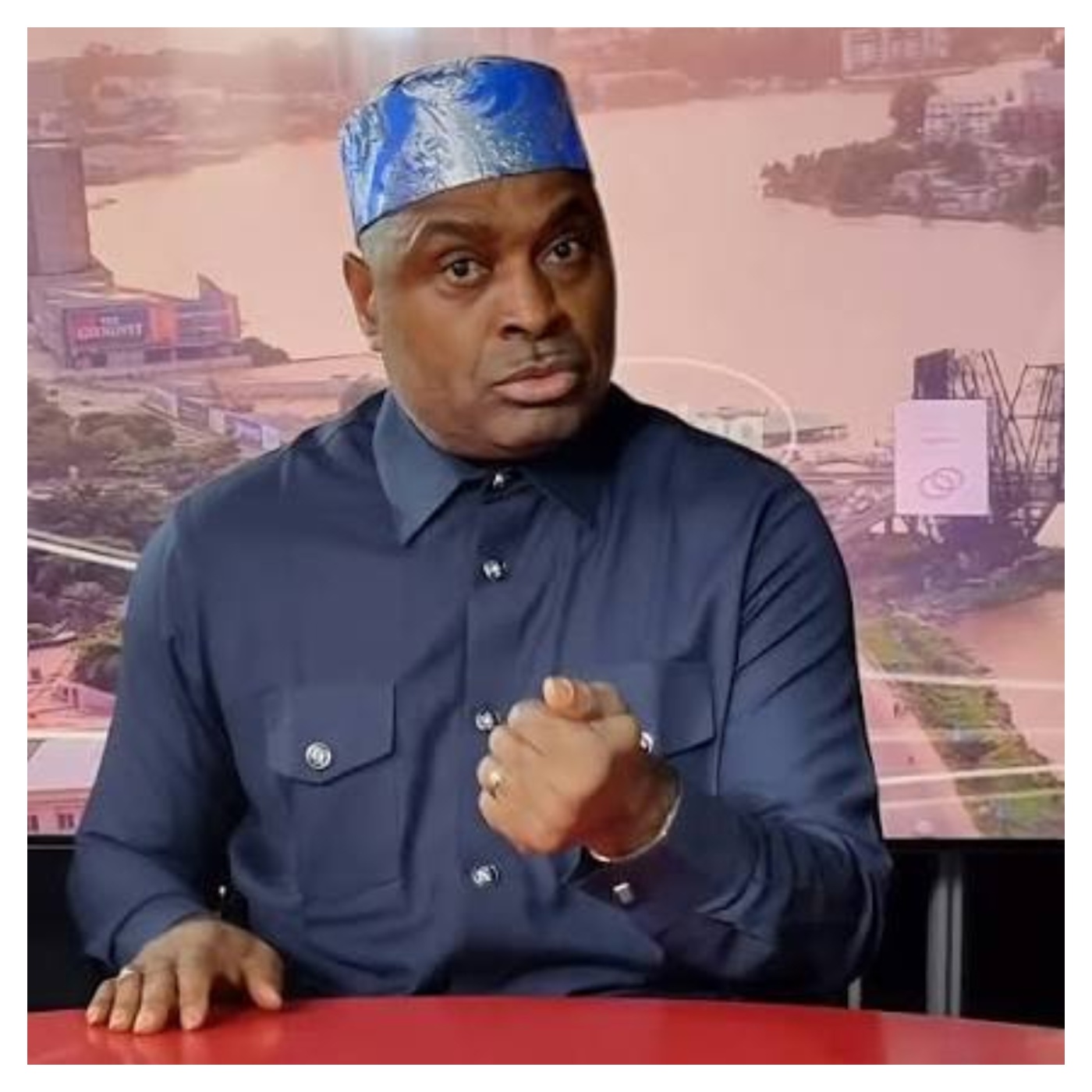
Former Labour Party presidential campaign spokesman Kenneth Okonkwo has questioned the level of independence enjoyed by Nigeria’s major anti-corruption agencies under President Bola Ahmed Tinubu.
Okonkwo made the remarks while reacting to the controversy surrounding the Economic and Financial Crimes Commission (EFCC) and its decision to freeze some accounts linked to the Osun State Government.
The dispute has generated political and legal arguments over the authority of the anti-graft agency to restrict access to government funds and the implications of such actions for state governments.
According to Okonkwo, the activities of the EFCC and the Independent Corrupt Practices and Other Related Offences Commission (ICPC) raise questions about whether the agencies can operate without influence from the political establishment.
The former presidential campaign spokesman’s position has added to a wider debate over the independence of institutions responsible for investigating corruption and financial crimes in Nigeria.
The issue is important because the EFCC and ICPC occupy central positions in the country’s anti-corruption campaign. Their ability to investigate allegations impartially is closely linked to public confidence in Nigeria’s justice and accountability systems.
The Osun controversy has also raised questions about the relationship between federal law-enforcement agencies and state governments. While anti-corruption bodies have statutory responsibilities to investigate suspected financial crimes, state authorities have also insisted on the need to protect their constitutional responsibilities and access to public funds.
The EFCC has consistently maintained that its operations are guided by the law and that investigations into suspected financial offences can require financial restrictions as part of the process.
The ICPC, established to address corruption in the public sector, similarly has investigative and prosecutorial responsibilities under Nigerian law.
Both agencies have faced public scrutiny over the years, including debates about their operational independence, political neutrality and effectiveness in tackling corruption.
Okonkwo’s comments come against the backdrop of renewed national attention on the management of public funds and the accountability of government institutions.
The outcome of the Osun account dispute could have implications for future interactions between anti-graft agencies and state governments, particularly where investigations involve public accounts.
As the controversy continues, further statements from the EFCC, Osun State Government and other relevant authorities are expected to provide clarity on the legal basis for the account restrictions.
The development ultimately highlights the continuing debate over institutional independence, federalism and the enforcement of Nigeria’s anti-corruption laws.


