

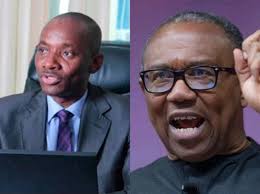
Political analyst and public affairs commentator Sam Amadi has described former Labour Party presidential candidate Peter Obi as the most transformative force in Nigerian politics over the last two decades, citing his impact on voter engagement, political discourse, and democratic participation across the country.
Amadi made the remarks while reflecting on the changing dynamics of Nigeria’s political landscape, arguing that Obi’s emergence has significantly altered how citizens, especially young people, perceive and participate in the democratic process.
According to Amadi, no politician in recent Nigerian history has inspired the level of grassroots mobilization and political consciousness generated by Obi’s presidential campaign during the 2023 general elections.
Peter Obi’s Influence on Nigerian Politics
Peter Obi, a former governor of Anambra State and the Labour Party’s presidential candidate in the 2023 election, rose to national prominence through a campaign centered on accountability, economic reform, prudent governance, and institutional development.
His candidacy attracted millions of supporters across different regions of the country, particularly among young Nigerians seeking an alternative to the traditional political establishment.
Speaking on Obi’s political influence, Amadi noted that the former governor succeeded in reshaping political conversations by encouraging citizens to become more actively involved in governance and electoral processes.
“Peter Obi has become a transformative force in Nigerian politics. His influence extends beyond electoral contests and has helped redefine civic engagement in the country,” Amadi reportedly stated.
The Rise of the Obidient Movement
One of the defining features of Obi’s political journey has been the emergence of the Obidient Movement, a grassroots coalition of supporters that gained widespread attention ahead of the 2023 presidential election.
The movement, largely driven by young professionals, students, and first-time voters, utilized social media platforms and community-based campaigns to promote voter education and political participation.
Analysts have often pointed to the Obidient Movement as one of the most significant political developments in Nigeria’s Fourth Republic, demonstrating the power of citizen-led mobilization outside conventional party structures.
Amadi believes the movement has left a lasting imprint on the nation’s democracy by creating a new generation of politically conscious Nigerians who are more willing to hold leaders accountable.
Changing the Political Narrative
For decades, Nigeria’s political landscape was largely dominated by established political parties and influential power brokers. However, Obi’s rise challenged many long-held assumptions about electoral politics and voter behavior.
His campaign emphasized policy discussions, economic management, transparency, and governance reforms, themes that resonated strongly with voters frustrated by persistent economic and security challenges.
Observers argue that Obi’s ability to attract support beyond ethnic, religious, and regional divides marked a significant shift in the country’s political culture.
Amadi noted that even after the conclusion of the 2023 elections, Obi continues to command significant public attention and remains a major voice in national conversations on governance and development.
Lasting Impact Beyond Elections
Although Peter Obi did not win the presidency in 2023, many political observers believe his influence extends far beyond electoral outcomes.
His campaign is widely credited with increasing voter interest, particularly among younger demographics, and encouraging more citizens to engage with policy issues rather than personality-driven politics.
According to Amadi, Obi’s legacy may ultimately be measured not only by votes received but by the broader political awakening he inspired across the country.
The analyst argued that the former Anambra governor has succeeded in creating a political movement that has fundamentally changed expectations of leadership and governance in Nigeria.
Future of Nigerian Politics
As political parties begin preparations for future elections, discussions about Obi’s influence continue to dominate national debates.
Many observers believe the changes triggered by his political movement could shape electoral strategies, voter engagement efforts, and governance discussions for years to come.
Amadi’s assessment underscores the growing recognition of Obi’s role in redefining modern Nigerian politics. Whether viewed through the lens of electoral performance, civic engagement, or public discourse, his impact remains one of the most discussed developments in the country’s democratic evolution.
With political realignments already underway ahead of future contests, Peter Obi’s influence is expected to remain a significant factor in shaping the direction of Nigeria’s political landscape.


