

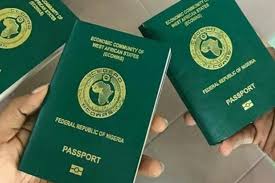
The Federal Government has introduced sweeping digital reforms aimed at simplifying passport applications and renewals for Nigerians both within the country and in the diaspora, as part of ongoing efforts to modernise public services.
The reforms, championed by President Bola Ahmed Tinubu’s administration, are being implemented through the Ministry of Interior under the leadership of Olubunmi Tunji-Ojo and the Nigeria Immigration Service headed by Comptroller-General Kemi Nanna Nandap.
The initiative introduces upgraded online platforms and a mobile application designed to reduce delays, eliminate unnecessary paperwork, and improve access to passport services.
Under the new process, Nigerians applying for passports locally can now begin their applications online through the official immigration portal by entering their National Identification Number (NIN). The system automatically retrieves applicants’ personal details, helping to reduce manual data entry and speed up processing.
Applicants are required to upload supporting documents digitally before attending scheduled biometric capturing appointments at immigration offices.
Officials say a newly established centralised passport production centre in Abuja has significantly improved passport production and helped reduce backlogs that previously delayed issuance across the country.
According to the government, the centralised facility allows for faster coordination and more efficient handling of applications nationwide.
For Nigerians living abroad, the government has introduced a contactless passport renewal option in selected locations. Through the system, diaspora applicants can complete the process remotely using smartphones to scan and upload documents without visiting Nigerian embassies physically.
Completed passports are then delivered through courier services, a move authorities say is intended to reduce stress and improve convenience for Nigerians overseas.
The Ministry of Interior has also warned citizens against using agents or middlemen during the passport application process. Officials noted that the digital system was created to allow applicants complete the process independently without paying unnecessary extra charges.
Authorities stated that many past complaints regarding passport processing were linked to activities of touts and unofficial agents who exploited applicants and inflated service costs.
To improve communication and customer support, the Nigeria Immigration Service has expanded its response channels through social media platform X, WhatsApp support lines, and official email services.
Government officials say these channels are meant to provide verified information and help citizens resolve issues directly with immigration authorities.
The digital reforms have received positive reactions from many Nigerians who describe the process as more transparent and less stressful than previous methods. Several applicants have praised the convenience of online applications and shorter processing timelines.
However, some users have called for additional improvements at biometric centres, including increased staffing and better infrastructure to handle rising demand.
Observers say the reforms represent one of the most ambitious modernisation efforts within Nigeria’s public service sector in recent years.
Since assuming office, Minister Tunji-Ojo has repeatedly emphasised the need for transparency, automation, and efficiency within agencies under the Interior Ministry. Analysts believe the ongoing passport reforms align with the administration’s broader agenda of digitising government services and improving public trust in institutions.
Passport processing has long been associated with delays, bureaucratic bottlenecks, and corruption allegations in Nigeria, making the current reforms particularly significant for millions of citizens seeking travel documents.
Despite the progress, experts have stressed the need for continued investment in digital infrastructure, cybersecurity, and personnel training to sustain the reforms successfully.
There are also concerns about internet accessibility and digital literacy in some parts of the country, especially rural communities where online government services may remain difficult to access.
Nevertheless, many Nigerians see the new passport system as an important step toward creating a more efficient and technology-driven public service.
Authorities say efforts will continue to ensure that passport acquisition becomes faster, safer, and more accessible while reducing human interference and corruption in the process.


