

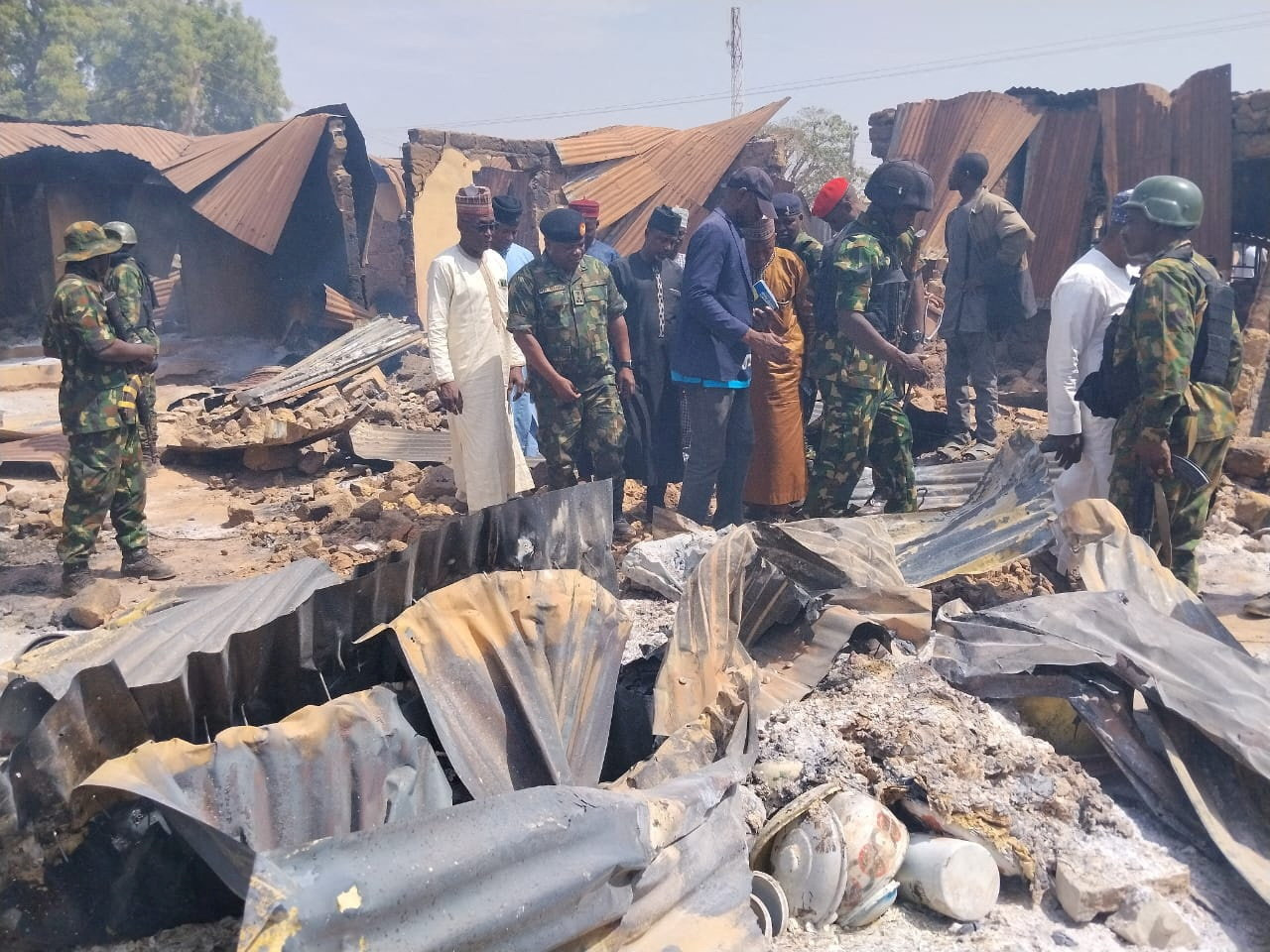
Nigeria has been thrown into renewed mourning following the killing of more than 175 people in a violent attack in Kwara State, an incident that has intensified concerns over the country’s deteriorating security situation. The victims, described as residents of affected communities, were reportedly attacked while going about their daily lives, underscoring persistent vulnerabilities in rural and semi-urban areas.
The scale of the killings has sent shockwaves across the state and beyond, leaving families devastated and entire communities traumatised. Children have been orphaned, households destroyed, and once-thriving villages reduced to scenes of grief and fear. Local sources say farming activities and social life in the affected areas have been severely disrupted as residents grapple with the aftermath of the violence.
Security analysts and civic leaders have described the incident as a stark reminder of the government’s constitutional responsibility to protect lives and property. They argue that the loss of more than 175 lives in a single episode points to systemic failures in intelligence gathering, early warning mechanisms, and rapid response capacity.
While government officials have expressed condolences to the families of the victims, critics insist that sympathy alone is insufficient. They are calling for decisive action, including a comprehensive review of security operations in the state and across the country. According to them, repeated attacks without visible consequences for perpetrators have weakened public confidence in the state’s ability to deter criminal violence.
The Kwara killings, observers note, fit a broader national pattern in which armed attacks have become increasingly frequent and deadly. Communities have repeatedly raised concerns about insecurity, yet responses are often delayed or inadequate. The confidence with which armed groups operate has raised fears of declining deterrence and weakening state authority.
Several analysts argue that many such attacks are preventable, citing lapses in intelligence coordination, limited surveillance infrastructure, overstretched security personnel, and slow emergency response. They warn that unresolved weaknesses continue to expose civilians to harm and embolden criminal networks.
Beyond immediate security concerns, the incident has also renewed debate about deeper governance challenges, including poverty, unemployment, weak justice systems, and social dislocation. Experts caution that sustainable security cannot rely solely on force but must be supported by social investment, community policing, and a justice system that ensures swift and fair punishment for crimes.
Human rights advocates have called for a transparent and independent investigation into the Kwara attack. They insist that those responsible must be identified and prosecuted without delay, warning that failure to deliver justice would compound the suffering of victims’ families and further erode trust in public institutions.
Attention has also turned to the long-term needs of the affected communities. Calls are growing for government-led rehabilitation efforts, including psychological support, reconstruction of damaged infrastructure, and the deployment of adequate security personnel to prevent further attacks.
Civil society groups have urged national solidarity with the people of Kwara State, stressing that insecurity in any part of the country constitutes a national crisis. They argue that equal protection of lives, regardless of location, is fundamental to Nigeria’s unity and democratic stability.
As public concern mounts, analysts say restoring confidence will require more than assurances. They point to the need for clear timelines, transparent communication, and measurable improvements in security operations.
At the centre of the tragedy are hundreds of lives cut short, leaving a void that extends beyond statistics. As investigations continue, many Nigerians are watching closely to see whether the response to the Kwara killings will mark a turning point in the country’s approach to security and governance.
By Akin Samuel Kayode
Assistant Secretary, Monitoring and Feedback Committee, The Narrative Force.


