

In established democracies, moments of national strain often compel opposition leaders to take decisive action—mobilising supporters, articulating alternatives, and visibly challenging those in power. In Nigeria, however, a troubling reversal appears to be taking hold: citizens are increasingly at the forefront of protest and resistance, while political leaders who claim to represent an alternative remain largely absent.
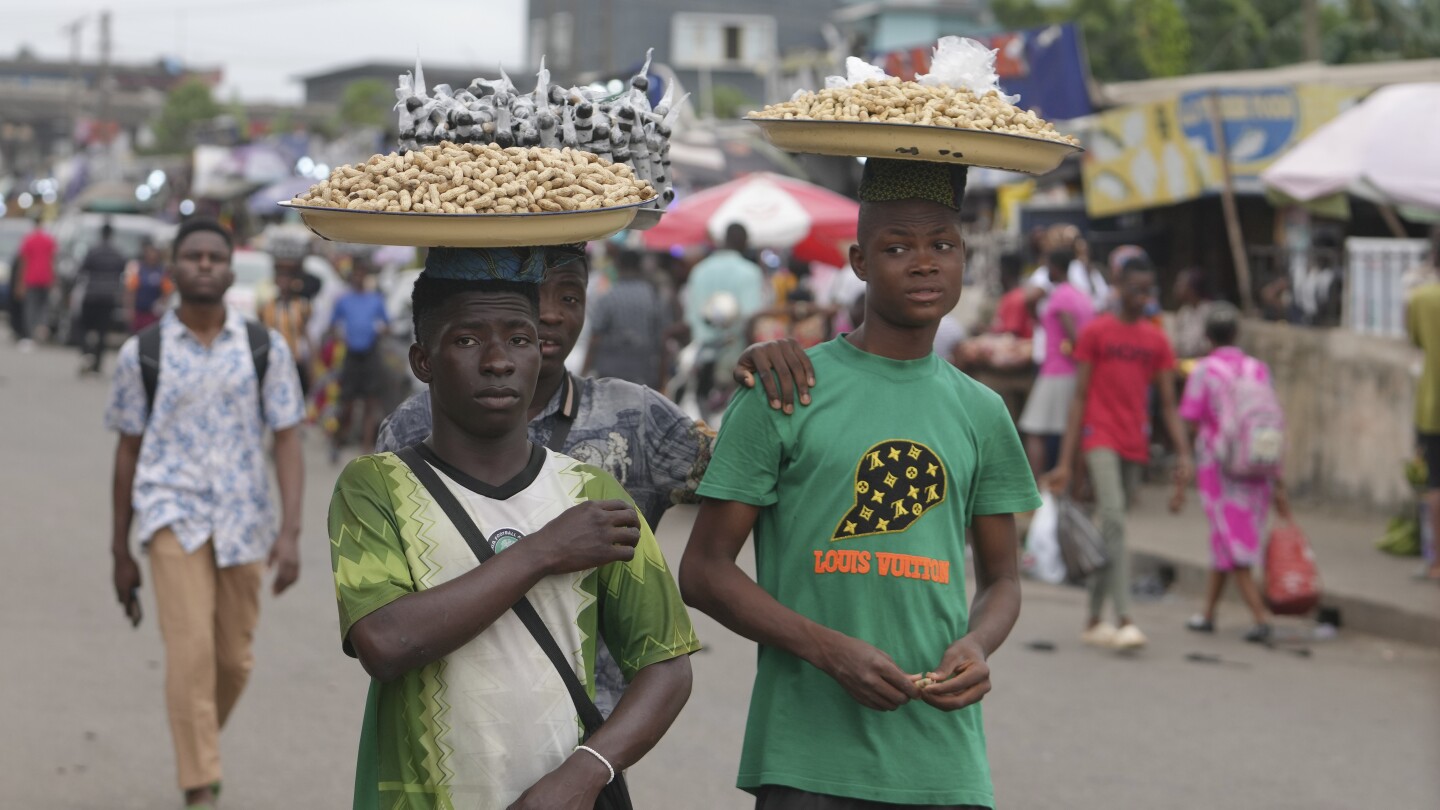
As economic pressures intensify under the administration of President Bola Ahmed Tinubu, many Nigerians are grappling with soaring inflation, stagnant wages, and declining living standards. Public frustration has spilled onto the streets in the form of protests and demonstrations, driven largely by ordinary citizens confronting worsening conditions. Yet, these expressions of dissent have unfolded with limited visible leadership from prominent opposition figures.
Despite mounting public discontent, key opposition leaders—including Peter Obi, Atiku Abubakar, Rotimi Amaechi, Rauf Aregbesola, Nasir El-Rufai, among others—have not led coordinated nationwide actions or sustained mobilisation efforts. Their absence from the frontlines has raised questions about the depth of their commitment to confronting the challenges facing the country.
Political analysts note that effective opposition requires more than statements and social media commentary. Leadership, they argue, demands presence, organisation, and a willingness to share the risks borne by citizens. Without this, public protests risk becoming isolated expressions of frustration rather than catalysts for meaningful political change.
Critics warn that a fragmented or passive opposition ultimately strengthens the ruling party, reducing political accountability and limiting democratic checks on power. In such an environment, governance failures may go unchallenged, and the prospect of political continuity—despite widespread dissatisfaction—becomes increasingly plausible.
Observers argue that Nigeria’s democratic challenge is not a lack of public awareness or civic anger, but a deficit of assertive political leadership willing to channel popular discontent into structured, sustained engagement.
As the country approaches another critical political cycle, calls are growing for opposition leaders to clarify their role. Nigerians, many contend, have borne the brunt of economic and social pressures. The expectation now is for those seeking national leadership to demonstrate credibility through action rather than rhetoric.
Whether Nigeria’s opposition rises to that challenge may prove decisive in shaping the country’s political future.


