

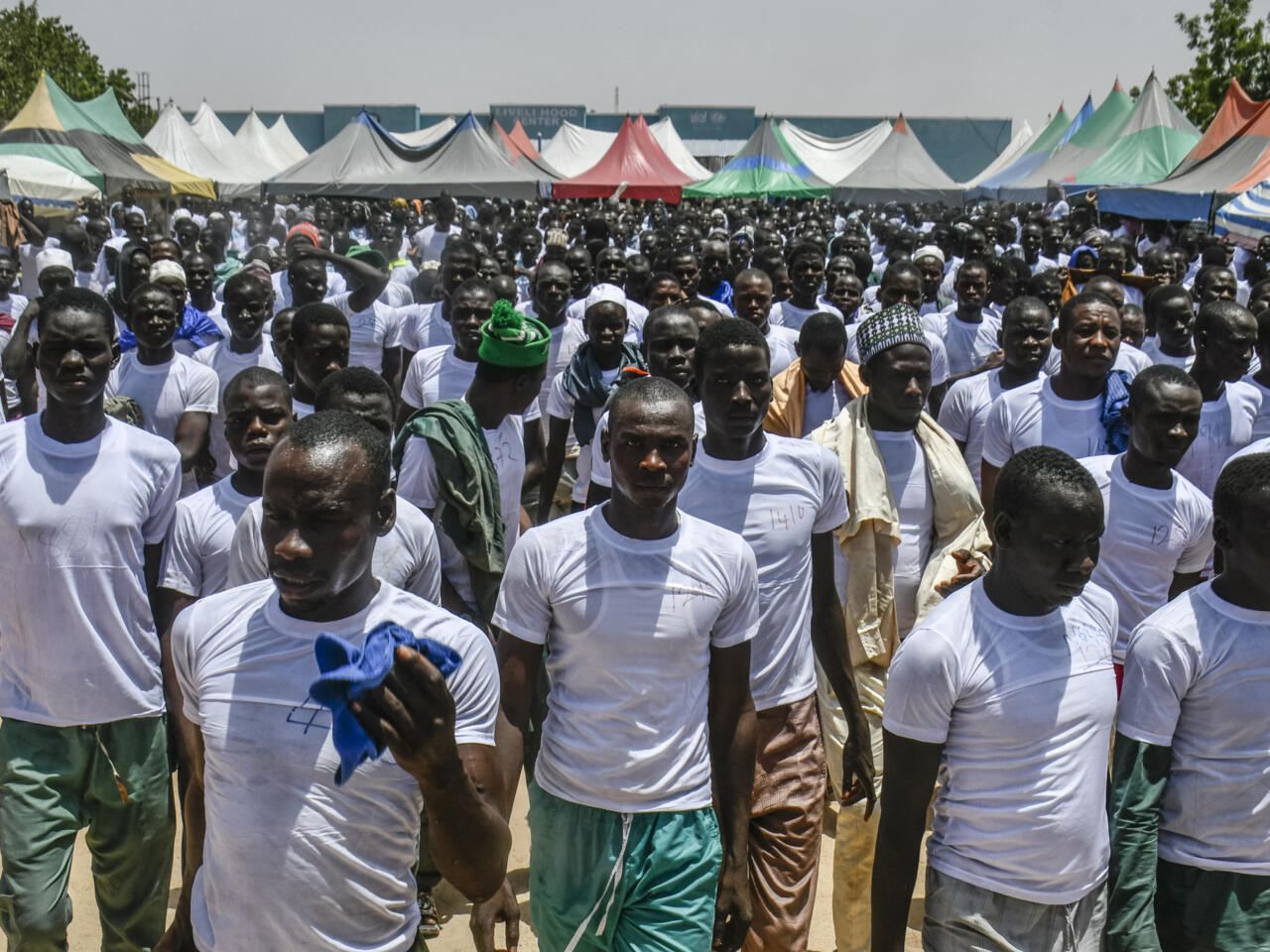
Nigeria’s deradicalisation programme for repentant Boko Haram fighters, widely known as Operation Safe Corridor, continues to generate intense public debate—not merely because of its intent, but because of its cost and perceived imbalance in national priorities. While the Federal Government has not published a transparent, itemised cost per beneficiary, a careful analysis of programme structure, duration, and comparable frameworks suggests that between ₦1.5 million and ₦4 million is spent on each detainee over a full rehabilitation cycle. This estimate covers feeding, accommodation, security, psychological counselling, vocational training, medical care, and reintegration support within a 6 to 12-month period. In isolation, such figures fall within global norms for disarmament and reintegration programmes. However, in Nigeria’s socio-economic context, the implications are far more contentious.
The controversy sharpens when these figures are placed side by side with what the nation spends on its own defenders. A Nigerian soldier on the frontlines of the insurgency earns, on average, between ₦600,000 and ₦1.8 million annually. In effect, the state may be spending as much—or in some cases more—on rehabilitating a former insurgent than on a serving soldier risking his life to combat the same threat. This stark contrast fuels public resentment and raises fundamental questions about national values, particularly in a country where military personnel frequently complain of inadequate welfare, delayed allowances, and insufficient operational support.
Even more troubling is the disparity between what is spent on repentant fighters and what is allocated to the victims of insurgency. Millions of internally displaced persons across the North-East continue to survive on irregular aid, with many receiving support valued at less than ₦100,000 to ₦300,000 annually. These are individuals who have lost homes, livelihoods, and family members, yet remain in camps or host communities with limited access to healthcare, education, or economic opportunity. The optics are difficult to ignore: the state appears capable of mobilising structured, well-funded programmes for former combatants, while victims struggle for basic survival.
This imbalance extends to the broader Nigerian population. With the national minimum wage hovering between ₦30,000 and ₦70,000 monthly, the average citizen earns far less in a year than what is reportedly spent rehabilitating a single repentant insurgent. In a climate of rising inflation, unemployment, and economic hardship, such disparities deepen public frustration and erode trust in government priorities. For many Nigerians, the issue is no longer about whether deradicalisation is necessary—it is about whether the current model is fair.
To be clear, there is a strategic logic behind the programme. Encouraging defections from insurgent ranks can weaken terrorist networks, reduce battlefield casualties, and provide valuable intelligence. In theory, it is also more cost-effective than prolonged military engagement. Yet, the success of such a strategy depends not only on the number of fighters processed, but on the effectiveness of their reintegration into society. On this front, evidence suggests significant challenges. Many communities remain unwilling to accept former insurgents, citing unresolved trauma and a lack of justice for victims. Without community buy-in, the risk of recidivism or social tension remains high, undermining the very objective of the programme.
Ultimately, the debate over Operation Safe Corridor is less about absolute cost and more about equity, transparency, and outcomes. A policy that invests heavily in former perpetrators while leaving victims and defenders under-supported creates a moral and political contradiction that cannot be ignored. If the Federal Government is to sustain public confidence, it must not only justify the financial outlay but also rebalance its approach—ensuring that soldiers are adequately rewarded, victims are meaningfully rehabilitated, and the entire process is transparent and accountable. Only then can the programme achieve both its security objectives and the broader sense of justice that Nigerians demand.


