

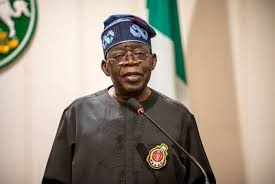
President Bola Ahmed Tinubu has assured Nigerians that the economic reforms introduced by his administration are beginning to yield positive results despite ongoing hardship and rising concerns over the cost of living across the country.
In his Sallah message to Muslims celebrating Eid, the president acknowledged the economic difficulties currently facing many households but insisted that government policies aimed at stabilizing the economy are gradually producing measurable improvements.
Tinubu urged Nigerians to remain patient and hopeful, emphasizing that the administration’s reform agenda was designed to create long-term economic growth, attract investment, strengthen public finances, and improve national development.
“Our reforms are yielding results,” the president stated in the message. “Though the journey has been difficult, the signs of recovery and economic stabilization are becoming visible.”
The president’s remarks come amid continued public debate over the impact of major economic reforms introduced since the beginning of his administration, including the removal of fuel subsidies, foreign exchange market adjustments, and fiscal restructuring measures.
While government officials argue that the reforms are necessary to correct long-standing structural problems in the economy, many Nigerians continue to face rising food prices, transportation costs, inflation, and declining purchasing power.
In the Sallah message, Tinubu appealed to citizens to embrace the spirit of sacrifice, unity, and resilience associated with the Islamic celebration, while assuring them that the government remains committed to improving living conditions.
He also praised Nigerians for their patience and support during what he described as a critical period of economic transformation.
According to the president, recent economic indicators suggest that Nigeria is gradually moving toward recovery despite global economic challenges and domestic pressures.
Tinubu highlighted areas such as increased foreign investment interest, improvements in government revenue, infrastructure development efforts, and reforms in the energy and financial sectors as signs that the economy is beginning to stabilize.
Economic analysts say the administration is attempting to reposition Nigeria’s economy through policies aimed at reducing fiscal burdens and encouraging private sector participation.
However, critics argue that the immediate social impact of the reforms has been severe, especially for low-income households and small businesses struggling with inflation and rising operational costs.
Food inflation remains one of the biggest concerns for many Nigerians, with prices of staple commodities continuing to rise across major cities and rural communities.
Transport fares have also increased sharply following fuel subsidy removal, placing additional financial pressure on workers, students, and families.
Despite these concerns, government officials insist that difficult reforms are unavoidable if the country is to achieve sustainable economic growth and reduce dependence on debt and subsidies.
Tinubu reiterated in his message that the administration remains focused on policies capable of creating jobs, supporting local production, and strengthening the value of the Nigerian economy in the long term.
The president also called for national unity and peaceful coexistence, urging Nigerians to use the Sallah period to pray for peace, security, and progress in the country.
He commended security agencies for ongoing efforts to combat insecurity and maintain stability across different regions of the country.
Religious leaders and political stakeholders reacted differently to the president’s message, with some expressing support for the administration’s economic direction while others urged the government to introduce stronger relief measures for struggling citizens.
Some economists acknowledged that certain macroeconomic indicators have shown signs of improvement but argued that ordinary Nigerians are yet to feel the benefits directly.
“The challenge is that economic reforms may look positive on paper while citizens continue facing hardship in daily life,” an Abuja-based economist said.
Opposition figures also criticized the administration’s handling of the economy, insisting that government policies have worsened inflation and reduced living standards for millions of Nigerians.
Nevertheless, supporters of the administration argue that previous economic distortions required bold corrective actions and that the benefits of current reforms may become more visible over time.
Political observers say the government’s ability to manage public expectations and reduce hardship will remain crucial in determining public confidence moving forward.
Meanwhile, Muslims across Nigeria joined millions around the world in celebrating Eid with prayers, family gatherings, and acts of charity despite prevailing economic challenges.
The Sallah celebration also provided an opportunity for political leaders, religious organizations, and public figures to promote messages of peace, unity, and national development.
As economic debates continue nationwide, many Nigerians are closely watching whether the government’s reform policies will eventually translate into lower inflation, improved job opportunities, and better living conditions.
For now, Tinubu’s Sallah message reflects the administration’s continued effort to reassure citizens that ongoing economic reforms are aimed at securing a more stable and prosperous future for the country.


