

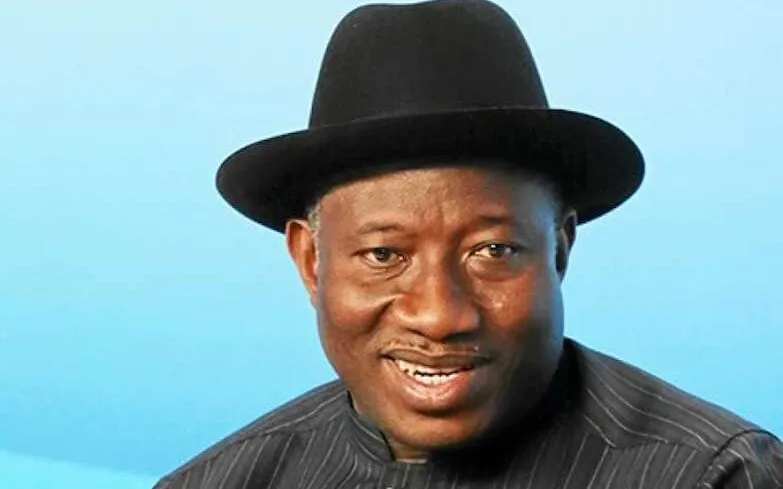
The Peoples Democratic Party (PDP) has reacted to a recent court judgment affirming the eligibility of former President Goodluck Jonathan to contest Nigeria’s presidential election, describing the ruling as a significant development in the country’s political landscape ahead of the 2027 general elections.
The judgment, which has generated widespread political reactions across Nigeria, reportedly clarified constitutional interpretations surrounding Jonathan’s eligibility to seek another term as president if he chooses to return to active electoral politics.
Reacting to the development, PDP leaders stated that the court’s decision reinforces democratic principles and the constitutional rights of eligible citizens to participate in the electoral process.
Party officials, however, stopped short of confirming whether Jonathan would contest the 2027 presidential election under the PDP platform or any other political party.
“The judgment is an important constitutional clarification,” a PDP spokesperson said while reacting to the ruling. “In a democracy, every eligible Nigerian has the right to aspire to public office in accordance with the law.”
The court ruling has reignited national political discussions about Jonathan’s possible return to frontline politics, despite the former president maintaining a relatively quiet political profile since leaving office in 2015.
Jonathan, who served as Nigeria’s president between 2010 and 2015, remains one of the country’s most recognized political figures both locally and internationally.
His administration was noted for electoral reforms, infrastructure projects, and peaceful transfer of power after the 2015 presidential election, where he conceded defeat to former President Muhammadu Buhari.
Over the years, speculation about a possible political comeback has continued to surface, particularly during periods of political realignment and coalition discussions ahead of major elections.
Political analysts say the latest court judgment could further intensify conversations about Jonathan’s future role in Nigerian politics.
The legal debate surrounding Jonathan’s eligibility largely centered on constitutional provisions relating to presidential tenure and whether his assumption of office following the death of former President Umaru Musa Yar’Adua affected future eligibility calculations.
The court reportedly ruled that Jonathan remains constitutionally qualified to contest the presidency, a decision that has since sparked mixed reactions among politicians, legal experts, and members of the public.
Supporters of the ruling argue that the judgment upholds constitutional rights and democratic participation, while critics fear it could reopen debates over tenure interpretations and political precedent.
Within the PDP, reactions have remained cautious but largely positive, with some party members viewing the development as potentially strengthening the party’s options ahead of 2027.
Political observers say Jonathan’s reputation as a relatively moderate and widely recognized national figure could make him attractive to certain political blocs if he decides to re-enter active politics.
However, analysts also note that the political environment ahead of the 2027 elections is expected to be highly competitive, with multiple influential figures already positioning themselves across major parties.
Some PDP stakeholders believe the party should focus more on rebuilding internal unity and strengthening its structure rather than concentrating solely on potential presidential aspirants.
The opposition party has faced internal disagreements and leadership challenges in recent years following electoral defeats and factional disputes.
Despite this, PDP leaders insist the party remains committed to reclaiming power through democratic means in future elections.
Meanwhile, supporters of Jonathan have continued to praise his leadership style, often highlighting his peaceful concession in 2015 as an important moment in Nigeria’s democratic history.
Some civil society groups and political commentators have also noted that Jonathan’s international reputation as a promoter of democratic stability may continue to influence public perceptions about his political future.
However, critics argue that Nigeria’s political challenges require fresh leadership and new policy directions capable of addressing current economic and security concerns.
Social media reactions to the judgment have remained divided, with some Nigerians expressing excitement over the possibility of Jonathan’s return, while others questioned whether former leaders should seek another opportunity at the presidency.
Legal analysts say the ruling may also shape future constitutional debates concerning presidential succession, tenure interpretation, and eligibility criteria in Nigeria.
As political activities gradually intensify ahead of 2027, the PDP and other political parties are expected to continue evaluating potential candidates, coalition strategies, and internal realignments.
For now, neither Jonathan nor his close political associates have publicly indicated whether he intends to contest the presidency again.
Nevertheless, the court judgment has already added fresh momentum to national political conversations and renewed speculation about possible contenders for Nigeria’s next presidential election.


