

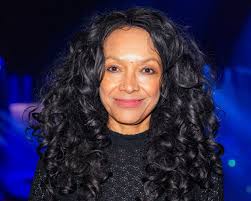
Kanya King, founder of the MOBO Awards and one of the most influential figures in Black British music, has died at 57 after a battle with colon cancer. Tributes have poured in from across the music industry.
The global music community is mourning the death of Kanya King, the visionary founder of the MOBO Awards, who passed away at the age of 57 following a courageous battle with colon cancer.
King, widely regarded as one of the most influential figures in British music and culture, died peacefully on June 3, surrounded by family and close friends, according to a statement released by the MOBO Organisation. Her passing marks the end of an extraordinary career dedicated to promoting diversity, inclusion, and recognition for Black artists in the United Kingdom and beyond.
The entrepreneur and cultural pioneer founded the Music of Black Origin (MOBO) Awards in 1996 after recognizing the lack of mainstream recognition for Black musicians and creators in Britain. At a time when genres such as R&B, hip-hop, soul, reggae, gospel, and grime received limited attention from major award platforms, King created a stage that would eventually become one of the most respected music institutions in the UK.
Her journey to success was far from easy. Reports indicate that King remortgaged her home to finance the inaugural MOBO Awards after struggling to secure industry support for the project. Despite skepticism from many within the entertainment industry, she persevered and successfully launched an event that transformed the landscape of British music.
Over the past three decades, the MOBO Awards became a launching pad and recognition platform for numerous artists who would go on to achieve international success. The awards celebrated talents including Stormzy, Dave, Little Simz, Central Cee, Amy Winehouse, Craig David, Ms Dynamite, RAYE, and many others. Through her work, King helped elevate Black British music from the margins to the mainstream.
The MOBO Organisation described King as one of the music industry’s “most fearless champions” and announced that the 2026 MOBO Awards, which coincides with the organization’s 30th anniversary, will be dedicated entirely to her memory.
King’s death comes nearly two years after she publicly revealed that she had been diagnosed with stage four colon cancer. Despite being given a grim prognosis, she remained active in the music industry and continued leading the organization she founded. She frequently used her platform to advocate for cancer awareness and early detection, encouraging people to seek medical screening and pay attention to warning signs.
Even while battling illness, King maintained her commitment to supporting artists and advancing the mission of the MOBO Awards. She appeared at recent ceremonies and spoke openly about her determination not to allow her diagnosis to define her future. Her resilience inspired many within and beyond the entertainment industry.
Following news of her death, tributes poured in from musicians, actors, political leaders, and industry figures. Many described her as a visionary leader who transformed British culture and created opportunities for generations of artists. Public figures including Idris Elba, Alesha Dixon, and other entertainment personalities praised her lasting contributions to music and representation.
King’s influence extended beyond award ceremonies. Through mentorship initiatives, charitable programs, and advocacy efforts, she worked to create pathways for young creatives from underrepresented communities. Her contributions earned widespread recognition, including being appointed a Commander of the Order of the British Empire (CBE) for services to music and culture.
As tributes continue to flow from around the world, many are reflecting on the remarkable legacy she leaves behind. What began as a bold idea to celebrate Black music evolved into a cultural movement that reshaped the British entertainment industry and inspired countless artists.
While Kanya King’s passing represents a significant loss for the music world, her impact will continue to be felt for generations. Through the MOBO Awards and the opportunities she created for emerging talent, her vision and dedication remain firmly embedded in the history of modern British music.


