
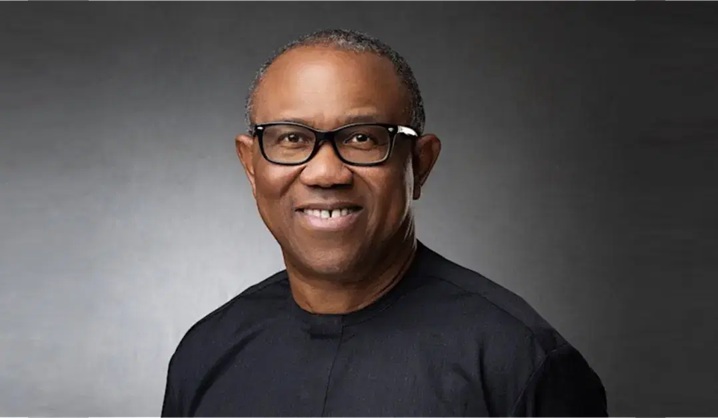
The recent judgment of the Federal High Court in Lokoja has raised fresh legal and political questions about the future of the Nigeria Democratic Congress (NDC) and whether its 2027 presidential candidate, Peter Obi, can defect to another political party.
The court, presided over by Justice Isah Dashen, set aside its earlier December 2025 judgment that directed the Independent National Electoral Commission (INEC) to register the NDC. The judge held that the earlier ruling was constitutionally defective because all necessary parties, including the Peace Movement Party, were not joined in the proceedings.
The decision has cast uncertainty over the legal status of the NDC, as INEC’s recognition of the party was based on the judgment that has now been nullified. While appeals are expected, the ruling has intensified debate over the options available to Peter Obi.
Legally, the Electoral Act permits a politician to change political parties. However, any defection must comply with strict legal requirements. A candidate must formally resign from the former party before joining another, as dual party membership is prohibited and may attract legal sanctions. In addition, only members whose names appear in a party’s verified register submitted to INEC are eligible to participate in primaries and receive valid nominations.
If the NDC ultimately loses its legal recognition, Obi’s presidential candidacy under the party could become untenable. Although he could seek nomination from another political platform, such a move would depend on acceptance by the new party and full compliance with INEC’s membership and nomination deadlines. Any hurried defection could also face legal challenges or objections from rival parties.
Peter Obi has previously changed political parties during his political career, demonstrating that such moves are legally possible. However, the timing of the Lokoja ruling and the approaching electoral timetable make any potential switch significantly more complex than in previous election cycles.
Political observers believe the next steps will largely depend on whether the Lokoja judgment is overturned on appeal and how INEC responds to the evolving legal situation. Until then, the uncertainty surrounding the NDC is expected to remain a key issue in the build-up to the 2027 general election.
Bottom Line: While Peter Obi may legally attempt to join another political party, the Lokoja court ruling has introduced significant legal and procedural hurdles. Any decision to switch parties would require careful compliance with electoral laws and could still be subject to judicial scrutiny before the 2027 elections.
Lokoja Court Decision: Can Peter Obi Switch from NDC to Another Party?

- Advertisement -

