

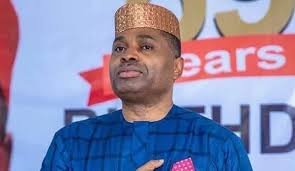
Former Labour Party spokesperson and actor-turned-politician Kenneth Okonkwo has made fresh allegations concerning internal activities within the National Democratic Coalition (NDC), claiming that an aspirant shared evidence of financial inducements during the coalition’s political process.
Okonkwo’s remarks have generated widespread discussion in political circles, particularly because he referenced former Labour Party presidential candidate Peter Obi while raising concerns about transparency and accountability within emerging political movements.
The allegations, which have not been independently verified, come at a time when political stakeholders are intensifying consultations and alliance-building efforts ahead of the 2027 general elections.
Okonkwo Raises Questions Over Internal Political Practices
Speaking during a recent political discussion, Okonkwo alleged that an aspirant within the NDC contacted him and provided what he described as documentary evidence related to financial transactions connected to the coalition’s internal activities.
According to him, the aspirant allegedly forwarded a receipt that raised concerns about the integrity of certain processes within the organization.
Okonkwo argued that political groups seeking to present themselves as alternatives to established parties must maintain high standards of transparency and credibility.
He maintained that any allegations involving financial inducements should be thoroughly investigated to protect public confidence in the democratic process.
However, he did not present publicly verified evidence to substantiate the broader claims at the time of his remarks.
Peter Obi Mentioned in Political Debate
A major aspect of the controversy stems from Okonkwo’s reference to Peter Obi, the former Labour Party presidential candidate who remains one of Nigeria’s most influential opposition figures.
Okonkwo suggested that questions should be asked regarding the role of prominent political leaders associated with coalition efforts and emerging political platforms.
While his comments have sparked debate, there has been no official confirmation linking Obi to any wrongdoing.
Political observers have emphasized the importance of distinguishing between allegations and proven facts, noting that public figures are entitled to due process and fair representation whenever accusations arise.
As of the time of reporting, no independent findings or official investigations have publicly established the claims made by Okonkwo.
Political Tensions Ahead of 2027 Elections
The allegations come amid increasing political maneuvering as parties, coalitions, and influential figures begin positioning themselves for the 2027 elections.
Several opposition groups have explored coalition arrangements aimed at strengthening their electoral prospects and presenting a united front against dominant political forces.
These discussions have often been accompanied by disagreements over leadership, strategy, and organizational control.
Analysts believe such tensions are common during periods of political realignment, particularly when multiple stakeholders seek influence within emerging alliances.
Okonkwo’s comments have therefore added another layer of complexity to ongoing conversations about the future of opposition politics in Nigeria.
Calls for Transparency and Accountability
Political commentators say the controversy highlights the growing public demand for accountability within political organizations.
In recent years, Nigerians have increasingly called for greater transparency in candidate selection processes, party administration, and campaign financing.
Observers argue that any allegations relating to financial inducement or improper influence should be addressed through established legal and institutional mechanisms.
They also caution against drawing conclusions before evidence has been independently examined and verified.
Transparency advocates believe that clear internal procedures and independent oversight can help political organizations maintain credibility and public trust.
Mixed Reactions From Stakeholders
Okonkwo’s allegations have triggered varied reactions across the political spectrum.
Supporters of the former Labour Party spokesperson argue that raising concerns about internal political practices is necessary for strengthening democratic institutions.
Others have criticized the remarks, contending that serious allegations should be supported by verifiable evidence and handled through appropriate channels rather than public speculation.
Political analysts note that controversies involving high-profile figures often generate intense public interest, especially when they occur during periods of political uncertainty and coalition negotiations.
Looking Ahead
As Nigeria’s political landscape continues to evolve ahead of the 2027 elections, discussions surrounding transparency, accountability, and coalition-building are expected to remain central issues.
While Kenneth Okonkwo’s claims have attracted considerable attention, they remain allegations that have not been independently substantiated.
The development underscores the challenges facing emerging political movements as they seek to build public confidence and maintain internal unity.
With political activities expected to intensify in the coming months and years, stakeholders are likely to face increasing scrutiny from voters demanding integrity, openness, and responsible leadership.
For now, the controversy serves as another reminder of the importance of evidence-based political discourse and the need for due process when allegations involving public figures are made.


