

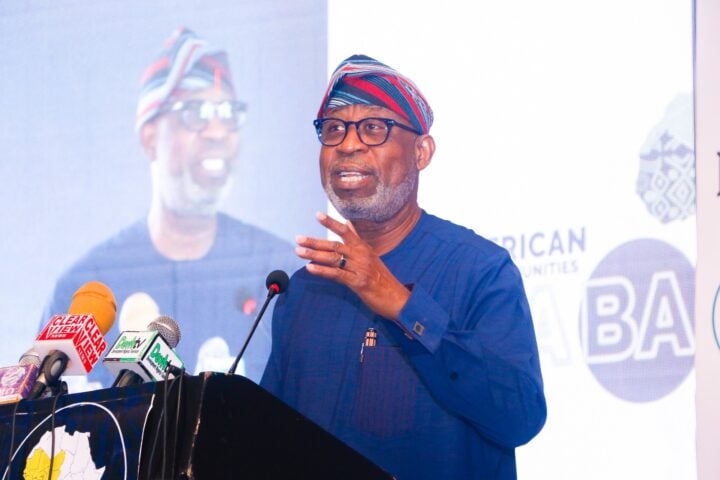
Nigeria’s Minister of Solid Minerals Development, Dele Alake, has said the current economic challenges facing Nigerians, though painful, are part of a necessary transition toward building a stronger and more sustainable economy.
Speaking on the state of the nation’s economy, Alake acknowledged the hardship being experienced by citizens amid rising living costs, inflation, and ongoing economic reforms. However, he maintained that the measures being implemented by the Federal Government are aimed at laying the foundation for long-term stability and growth.
According to the minister, major economic transformations often come with short-term sacrifices, especially when governments attempt to correct structural imbalances that have accumulated over decades. He argued that the administration’s policies are designed to reposition Nigeria for greater resilience, productivity, and reduced dependence on unstable revenue sources.
“The pains Nigerians are experiencing are real and undeniable,” Alake reportedly stated. “But these are transitional difficulties associated with reforms intended to create a more sustainable and resilient economy for future generations.”
He emphasized the importance of diversifying the economy beyond oil, pointing to the solid minerals sector as one of the key areas with significant potential to generate employment, attract investment, and increase government revenue.
The minister noted that Nigeria possesses vast untapped mineral resources capable of contributing meaningfully to national development if properly managed. He said ongoing reforms in the mining sector are intended to formalize operations, curb illegal mining, and create an environment that encourages responsible local and foreign investment.
Alake’s comments come amid growing public concern over the economic situation in the country, with many Nigerians grappling with higher food prices, transport costs, and declining purchasing power. Since the implementation of major economic reforms, including fuel subsidy removal and exchange rate adjustments, households and businesses have faced increased financial pressure.
Supporters of the government argue that the reforms are necessary to stabilize public finances and address long-standing inefficiencies in the economy. They maintain that difficult policy decisions are essential for reducing fiscal distortions and encouraging sustainable growth.
However, critics contend that the pace and impact of the reforms have imposed severe hardship on ordinary citizens without sufficient social protection measures. Labour unions, civil society groups, and opposition figures have repeatedly called for stronger interventions to cushion the effects of inflation and economic uncertainty.
Economic analysts say the success of the government’s reform agenda will largely depend on whether authorities can translate policy changes into tangible improvements in employment, investment, infrastructure, and living standards over time.
As debates continue over the direction of Nigeria’s economy, Alake’s remarks reflect the government’s broader position that current sacrifices are part of a larger effort to achieve long-term economic transformation and national resilience.


