

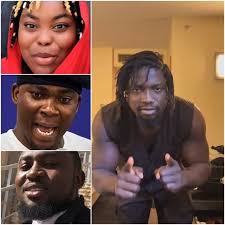
Proceedings at the Federal High Court in Abuja turned chaotic on Thursday during the bail hearing of Nigerian activist Justice Crack following a dispute among members of his legal team.
Justice Crack, who was arrested in early May, is facing legal proceedings over videos he allegedly posted online showing soldiers complaining about poor welfare conditions, including claims that troops were forced to eat from buckets and operate under harsh conditions.
The case has attracted significant public attention, with supporters describing it as a test of free speech and accountability within Nigeria’s security sector. Critics of the arrest argue that the activist merely amplified concerns already affecting morale among security personnel battling insurgency and insecurity across the country.
Tension reportedly escalated in court when Justice Crack’s lead counsel withdrew the bail application after a disagreement erupted with another lawyer over legal representation and courtroom authority. The clash disrupted proceedings and prompted the presiding judge to strike out the pending applications.
The court subsequently adjourned the matter to May 18 for further hearing.
Outside the courthouse, supporters of the activist gathered in solidarity, chanting slogans and demanding his release. Among those present was former presidential candidate and activist Omoyele Sowore, who criticized the prosecution and described the case as part of broader attempts to suppress dissenting voices.
Following the hearing, tensions continued as some members of the crowd accused one of the lawyers involved in the courtroom disagreement of deliberately sabotaging the defense process. Heated arguments reportedly broke out among supporters and legal associates, exposing divisions within the activist community over how the case should be handled.
Legal analysts say the incident highlights the growing sensitivity surrounding issues of military welfare, freedom of expression, and public criticism of state institutions. The circulation of videos showing complaints from soldiers has in recent years generated widespread debate about the welfare and treatment of frontline troops involved in counterinsurgency operations.
Human rights advocates have also raised concerns about the implications of prosecuting activists and online commentators over content related to governance and security challenges. They argue that democratic societies must protect the right to public scrutiny and peaceful criticism.
However, security officials and supporters of stricter regulation maintain that unauthorized publication of military-related material could undermine national security and troop morale, particularly during ongoing operations against insurgents and armed groups.
As the case resumes next week, attention is expected to remain fixed on both the legal proceedings and the wider questions it raises about civil liberties, state authority, and conditions within Nigeria’s security forces.


