

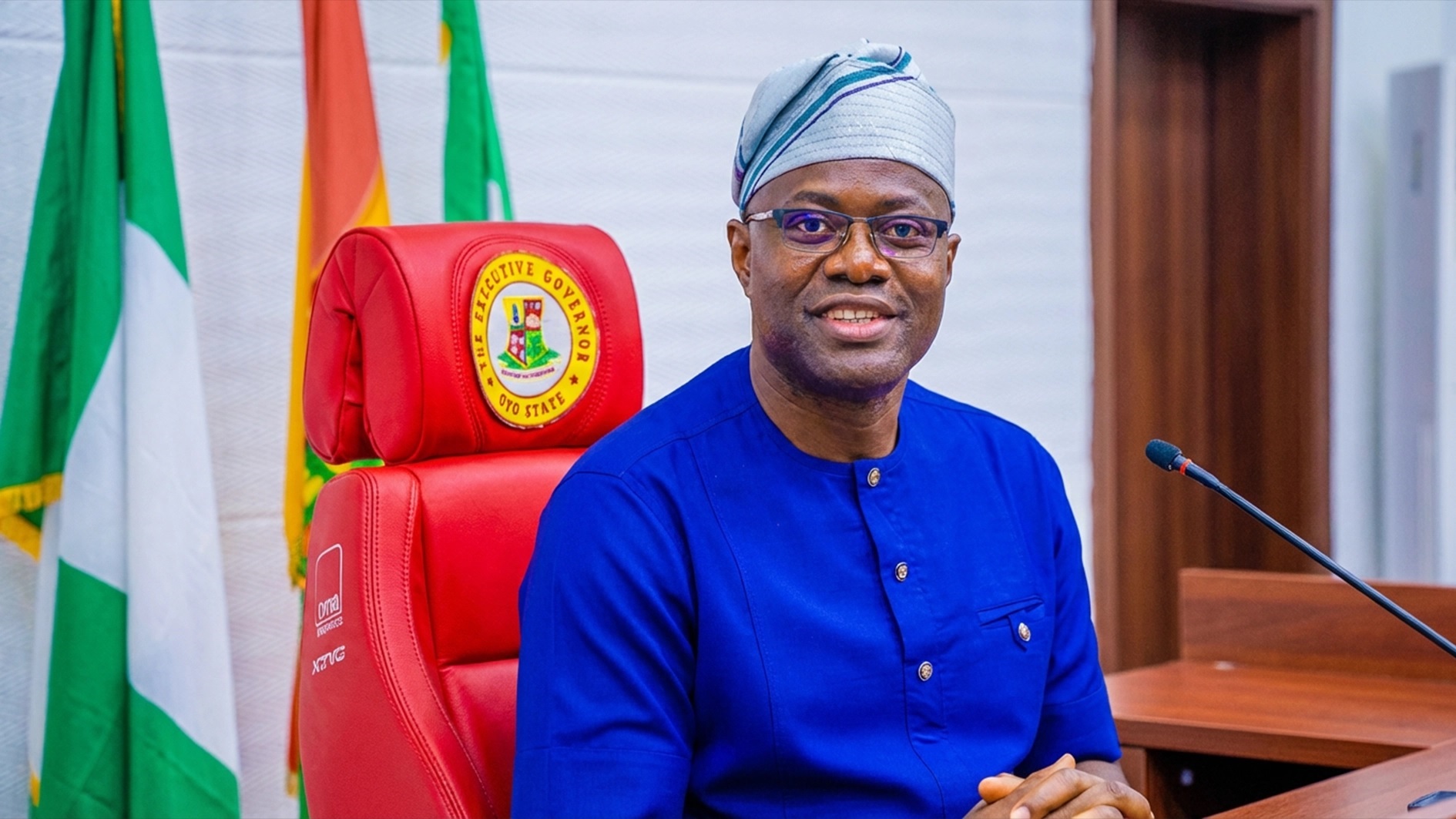
Governor Seyi Makinde of Oyo State has officially declared his intention to contest the 2027 presidential election, becoming one of the latest prominent figures to signal interest in Nigeria’s next electoral cycle.
The 56-year-old governor announced his candidacy under the platform of the Allied Peoples Movement (APM) in collaboration with a faction of the People’s Democratic Party (PDP), further reshaping the country’s already evolving opposition landscape.
During the declaration, Makinde highlighted achievements recorded under his administration in Oyo State, presenting them as evidence of his capacity to govern at the national level. He cited the reconstruction and construction of more than 500 kilometers of roads, investments in schools and healthcare facilities, and efforts aimed at reducing the number of out-of-school children by approximately 20 percent.
Makinde also emphasized governance reforms, infrastructure expansion, and social intervention programs as central pillars of his administration’s development strategy.
His announcement quickly generated widespread reactions across political and social media spaces, with many commentators drawing comparisons between Makinde and former Labour Party presidential candidate Peter Obi.
Supporters of Obi pointed to his record as former governor of Anambra State, particularly claims that he left office with about $150 million in savings while improving educational performance and maintaining fiscal discipline. Obi’s supporters frequently cite Anambra’s strong national examination rankings and investments in education and healthcare as key achievements of his administration.
Meanwhile, Makinde’s supporters argue that the Oyo governor represents a pragmatic and experienced alternative with a proven track record of infrastructure delivery and governance continuity. They contend that his administration has demonstrated measurable improvements in public services and development outcomes.
The comparisons have intensified ongoing debates about leadership style, fiscal management, and developmental priorities among opposition figures positioning themselves ahead of 2027. Political analysts say the growing attention on governors with perceived performance records reflects increasing public demand for competence-driven leadership amid Nigeria’s economic and social challenges.
However, the discussions have also exposed widening divisions among opposition supporters, particularly between those aligned with Obi’s reform-oriented movement and those backing other emerging political contenders.
Observers note that coalition-building and alliance negotiations are likely to become more prominent in the coming months as opposition parties seek to avoid fragmentation ahead of the elections. The emergence of multiple strong contenders could either strengthen democratic competition or divide opposition votes, depending on how alliances evolve.
Makinde’s declaration adds another significant layer to Nigeria’s rapidly shifting political landscape, signaling that the race toward 2027 is already taking shape with increasing intensity.


