

By Ike Abonyi, Abuja
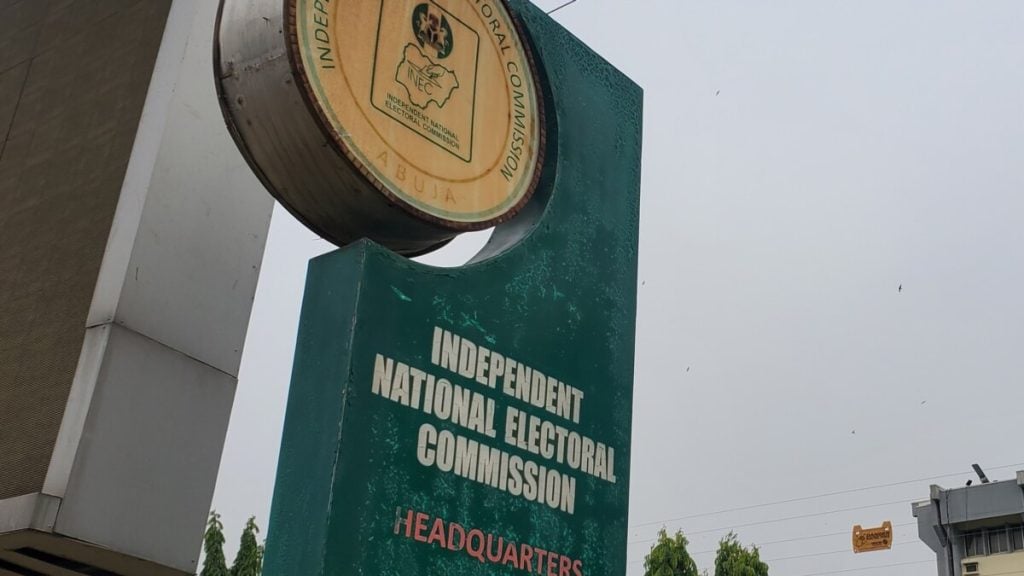
The deepening crisis within Nigeria’s opposition parties has intensified scrutiny of the Independent National Electoral Commission (INEC), with critics increasingly accusing the electoral body of playing an active—rather than neutral—role in internal party disputes, particularly within the Labour Party (LP).
Regardless of leadership changes at the commission, observers argue that INEC has remained closely enmeshed in political party conflicts, raising concerns about its independence as preparations for the 2027 general elections gather momentum.
At the centre of the controversy is the political standing of former Anambra State governor and 2023 Labour Party presidential candidate, Mr. Peter Obi, who many analysts regard as a significant challenge to the ruling All Progressives Congress (APC). Opposition figures allege that state institutions, including INEC and elements of the judiciary, are being deployed to weaken opposition platforms and limit Obi’s political options ahead of the next election cycle.
Labour Party Dispute and INEC’s Position
INEC’s refusal to recognise the Nenadi Usman–led caretaker committee of the Labour Party has emerged as a focal point of the dispute. The commission cited a Supreme Court judgment delivered in April as the basis for its position, a move that has drawn criticism due to the timing of its enforcement.
For several months, INEC appeared to vacillate between rival factions within the Labour Party. Critics note that the commission formally invoked the Supreme Court ruling several months after it was delivered, a delay that has fuelled allegations of selective interpretation of judicial decisions.
The controversy deepened following Peter Obi’s resignation from the Labour Party on December 31, 2025. Within a week of his exit, INEC announced its reliance on the April judgment to justify its stance, prompting opposition figures to argue that the dispute was less about procedural compliance and more about Obi’s continued political relevance.
Wider Opposition Implications
Political sources also point to parallel developments within the Peoples Democratic Party (PDP), alleging that internal factional dynamics have been influenced by external political considerations. According to these claims, certain opposition factions have been restrained pending a broader realignment of opposition forces that would pose minimal electoral threat to the ruling party.
While these allegations remain contested, analysts note that the timing and coordination of events across opposition parties have raised questions about the broader political environment ahead of 2027.
A Complex Legal Landscape
The Labour Party crisis reflects a complex interplay between legal rulings and administrative decisions. In late 2024, INEC maintained that the tenure of the party’s national chairman, Julius Abure, had expired. However, in October 2024, the Federal High Court in Abuja upheld the validity of the March 2024 Nnewi Convention, at which Abure was re-elected.
Following that ruling, INEC formally engaged with the Abure-led leadership, citing compliance with a court order, even as reconciliation efforts continued with the Nenadi Usman–led caretaker committee, which enjoyed the support of Peter Obi and Abia State Governor Alex Otti.
Obi’s subsequent resignation from the Labour Party and defection to the African Democratic Congress (ADC) further altered the political landscape. INEC’s posture since then has been interpreted differently by rival factions, with the Abure group welcoming the development while critics argue that the commission’s decisions remain inconsistent and reactive.
Concerns Over Consistency and Independence
Analysts have highlighted perceived inconsistencies in INEC’s approach, including its willingness to act on Federal High Court rulings in some cases while insisting on Supreme Court judgments in others. Such actions, critics argue, reinforce concerns that the commission’s decisions are influenced by prevailing political pressures rather than a clear, uniform administrative standard.
As the road to 2027 unfolds, opposition figures warn that the integrity of the electoral process may already be under threat. They argue that legal disputes, administrative decisions, and internal party crises are being leveraged to weaken opposition candidates—particularly Peter Obi—before campaigning formally begins.
INEC has consistently denied allegations of partisanship, maintaining that its actions are guided strictly by the law and existing court judgments. However, with political tensions rising, the commission’s role in managing party affairs is likely to remain under close public and legal scrutiny.
Ike Abonyi is a Political Editor-at-Large and writes from Abuja.


