

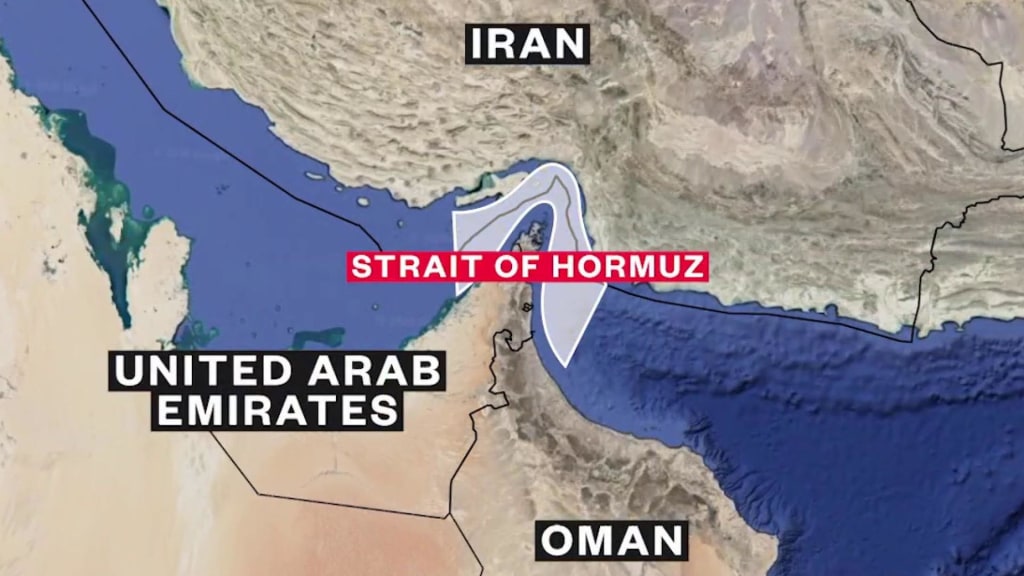
Rising geopolitical tensions involving Iran have once again sent tremors through the global oil market, pushing crude prices upward and presenting oil-producing nations with a familiar opportunity: increased revenue inflows. For a country like Nigeria, this should signal the prospect of an economic boost—an oil windfall capable of strengthening foreign reserves, stabilizing the currency, and funding critical infrastructure. Yet, Nigeria finds itself unable to fully capitalize on this moment.
The fundamental problem lies in the country’s longstanding dependence on exporting crude oil while importing refined petroleum products. Despite its status as a leading oil producer, Nigeria continues to rely heavily on foreign refineries for its domestic fuel needs. This structural imbalance means that as crude prices rise, so too does the cost of importing refined products—effectively neutralizing the gains from higher oil revenues.
This contradiction has persisted for decades, but under the current administration of Bola Ahmed Tinubu and the All Progressives Congress, expectations were high for decisive reforms that would finally reverse this trend. Instead, the reality remains largely unchanged: Nigeria continues to operate below its refining potential, leaving the economy exposed to external shocks and market volatility.
What makes the current situation even more troubling is the stark contrast with Nigeria’s past—particularly during the era of Yakubu Gowon in the 1970s. That period, widely referred to as the oil boom, saw Nigeria reap enormous revenues from rising crude prices. The country witnessed massive inflows of foreign exchange, ambitious public spending, and rapid expansion in infrastructure and public institutions. The famous declaration that Nigeria’s problem was not money, but how to spend it, captured the scale of the windfall at the time.
While that era was not without its own excesses and mismanagement, it nonetheless reflected a time when Nigeria was positioned to benefit directly and visibly from global oil market surges. Today, however, similar global conditions yield far less impact. The difference lies not just in price levels, but in structural preparedness.
If Nigeria’s refineries were fully functional and efficiently managed, the story today could be markedly different. The country would not only meet its domestic fuel demand but also export refined products to regional and international markets, capturing more value along the petroleum value chain. Such a shift would reduce pressure on foreign exchange, create jobs, and position Nigeria as a competitive energy hub.
Rather than enjoying the benefits of a potential oil boom, Nigeria is once again confronted with a paradox—earning more from crude exports while simultaneously spending more on fuel imports. The result is an economy that remains fragile, reactive, and constrained in the global marketplace.
This is not merely a policy misstep; it reflects a deeper failure to address structural inefficiencies that have long plagued the oil sector. While these challenges predate the current government, the urgency of reform has never been greater. Moments like this—when global conditions are favorable—should be leveraged to strengthen economic resilience, not expose existing weaknesses.
Nigeria cannot afford to remain trapped in this cycle. The path forward requires sustained investment in refining capacity, transparent governance, and a clear commitment to ending the export-import paradox that continues to undermine the nation’s economic potential.
Anything less risks turning every global oil surge into yet another missed opportunity—and deepening the painful contrast between today’s reality and the promise once seen during Nigeria’s oil boom years.


