

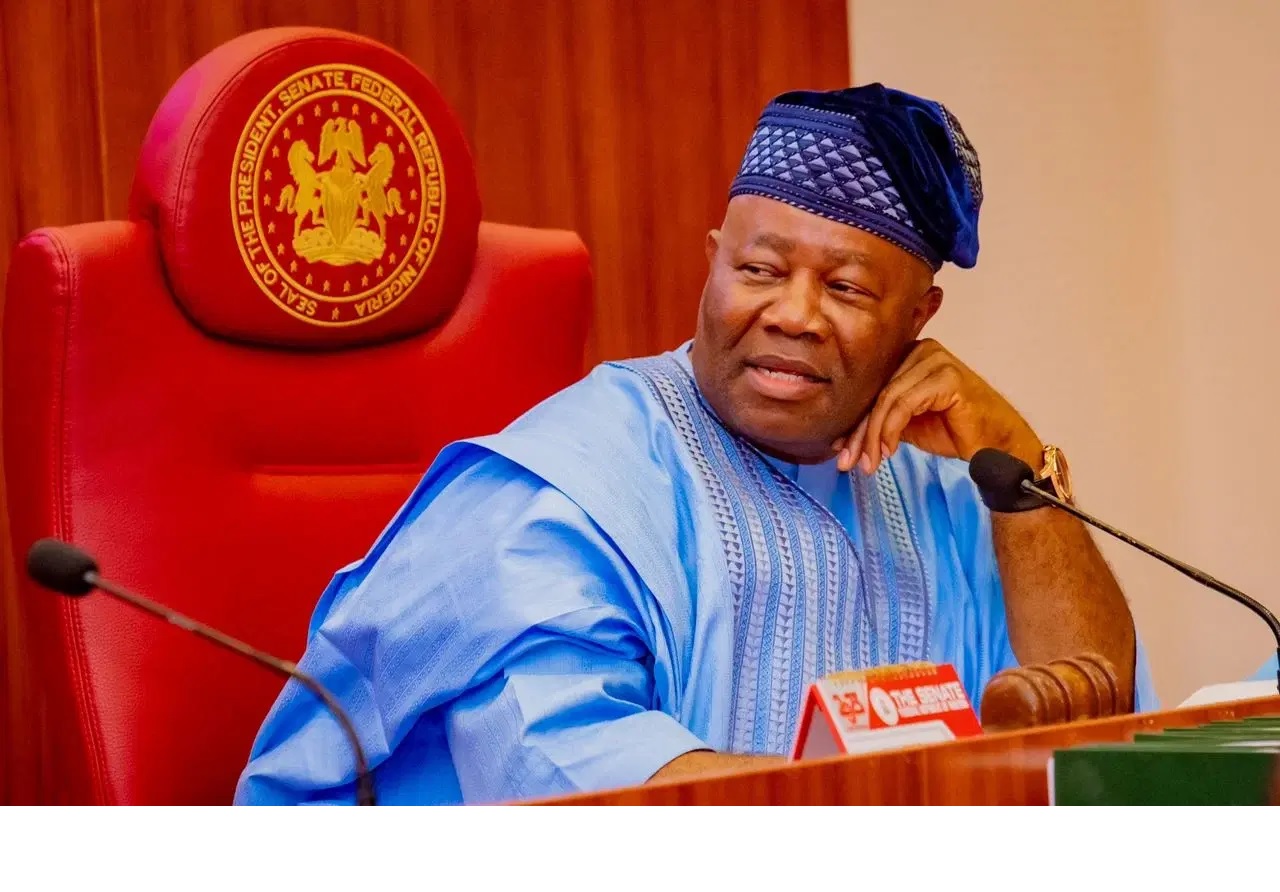
Nigeria’s Senate President, Godswill Akpabio, has expressed optimism that insurgency in the country could come to an end before the close of the year, a statement that has ignited both hope and criticism among Nigerians.
Akpabio made the remarks during a solemn session of the Senate, where lawmakers condemned recent deadly attacks on military formations in parts of the northeast, particularly in Benisheikh and Monguno areas of Borno State. The attacks, attributed to insurgent groups, resulted in the loss of several soldiers and further underscored the persistent security challenges facing the nation.
During the session, senators observed a minute of silence in honour of the fallen troops, paying tribute to their sacrifices in the ongoing fight against insurgency. The chamber also called for a comprehensive review of military operations, including concerns over equipment shortages, troop welfare, and the rules of engagement guiding combat efforts.
In his address, Akpabio expressed confidence that Nigeria would overcome the insurgency crisis within the year. His remarks echoed earlier statements in which he predicted that both banditry and insurgency could be effectively curtailed by 2026.
“We must remain hopeful and united,” he said, emphasizing the need for national solidarity and continued support for the armed forces.
However, his comments—particularly the emphasis on prayer—have sparked widespread reactions across social media and public discourse. While some Nigerians welcomed the message of hope, others criticized what they perceive as an overreliance on spiritual appeals in addressing a deeply complex security crisis.
Critics argue that beyond prayers, there is an urgent need for concrete policy actions, including improved funding for the military, enhanced intelligence capabilities, and stronger accountability mechanisms. Many citizens have called on leaders to prioritize strategic reforms that empower security forces to operate more effectively.
“Prayer is important, but it must go hand in hand with decisive action,” one commentator noted online. “Our soldiers need better equipment, better intelligence, and better leadership.”
Security analysts also stress that the insurgency in Nigeria—driven largely by groups such as Boko Haram and its offshoot Islamic State West Africa Province—has evolved over more than a decade, making it unlikely to be resolved through optimism alone. The conflict has displaced millions of people, devastated communities, and strained national resources.
Despite significant military efforts, including territorial gains and the elimination of key insurgent leaders, attacks continue to occur, often targeting both civilians and security personnel. The recent incidents in Borno State serve as a stark reminder of the resilience of these groups and the challenges involved in completely dismantling them.
The Senate’s call for an audit of military operations has been welcomed by some observers as a step in the right direction. They argue that identifying gaps in logistics, coordination, and strategy is essential for improving outcomes on the battlefield.
As Nigeria continues to grapple with insecurity, the debate sparked by Akpabio’s remarks reflects a broader national conversation about leadership, accountability, and the path to lasting peace.
For many Nigerians, the hope for an end to insurgency remains strong—but so too is the demand for tangible results. Whether 2026 will mark a turning point in the fight against insurgency will depend not only on faith and optimism, but on the effectiveness of policies, the strength of institutions, and the resilience of those on the front lines.


