

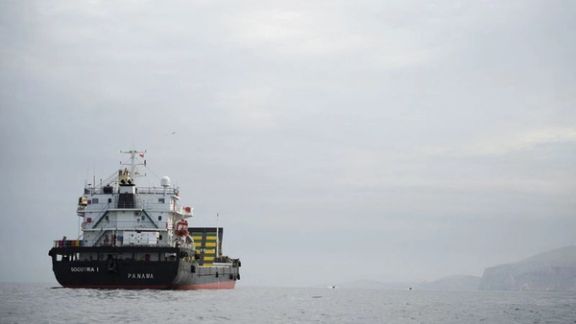
Iran has announced that it has begun generating revenue from controversial tolls imposed on vessels transiting the strategically vital Strait of Hormuz, marking a significant escalation in the geopolitical and economic tensions surrounding one of the world’s most important energy corridors.
According to statements attributed to Iranian Deputy Parliament Speaker Hamidreza Haji-Babaei and reported by the semi-official Tasnim News Agency, Tehran has received its first payments under the newly introduced system. The development signals that Iran’s plan to monetize maritime traffic through the narrow waterway is no longer theoretical but operational.
The Strait of Hormuz is a critical chokepoint through which roughly 20 percent of global oil and gas supplies pass daily. Any disruption—or added cost—along this route has immediate global economic implications. Iran’s move to impose tolls comes amid heightened tensions with the United States and its allies, as well as ongoing instability across the Middle East.
Recent reports indicate that Iran has been charging vessels significant fees—sometimes as high as $2 million per tanker—for what it describes as “security services” and safe passage through the strait. These payments are reportedly made in alternative currencies such as Chinese yuan or even cryptocurrencies, reflecting Tehran’s efforts to bypass Western sanctions.
While Iranian officials frame the tolls as a legitimate measure tied to ensuring maritime security, critics argue that the move challenges established principles of international maritime law, particularly the right to free transit through global waterways. The Islamic Revolutionary Guard Corps (IRGC) is believed to be overseeing the enforcement of these measures, including monitoring and escorting vessels.
Despite Iran’s claim of initial revenue, there are conflicting reports about the overall effectiveness of the toll system. Some earlier accounts suggested that the plan struggled to generate substantial income, with only limited vessels agreeing to pay under uncertain and risky conditions. However, the latest announcement indicates that at least some payments have now been successfully secured.
The move has already had ripple effects across global markets. Oil prices have surged in recent weeks, with fears that restricted access to the strait—or increased transit costs—could disrupt supply chains and drive inflation worldwide. Shipping companies have also faced higher insurance premiums and operational risks, leading some to delay or reroute shipments.
International reactions have been mixed. Some countries, including India, have publicly stated that their vessels have not paid any tolls, emphasizing the importance of maintaining free navigation rights. Meanwhile, global maritime and energy organizations continue to monitor the situation closely, warning of long-term consequences if such practices become normalized.
Analysts say Iran’s strategy reflects a broader attempt to leverage its geographic position for economic and political gain. By asserting control over a key global trade route, Tehran may be seeking both financial relief amid sanctions and increased bargaining power in ongoing diplomatic negotiations.
However, the risks are equally significant. Any sustained disruption in the Strait of Hormuz could trigger wider conflict, destabilize global energy markets, and strain international relations. Already, vessel traffic has been reduced, and access to the strait remains tightly controlled, with ships often requiring authorization from Iranian authorities before passage.
As Iran claims its first earnings from the toll system, the world faces a critical question: whether this marks the beginning of a new economic model for contested waterways—or a dangerous precedent that could reshape global trade norms.
For now, the situation remains fluid, with the balance between diplomacy, economic pressure, and military tension continuing to define the future of one of the world’s most vital maritime routes.


