

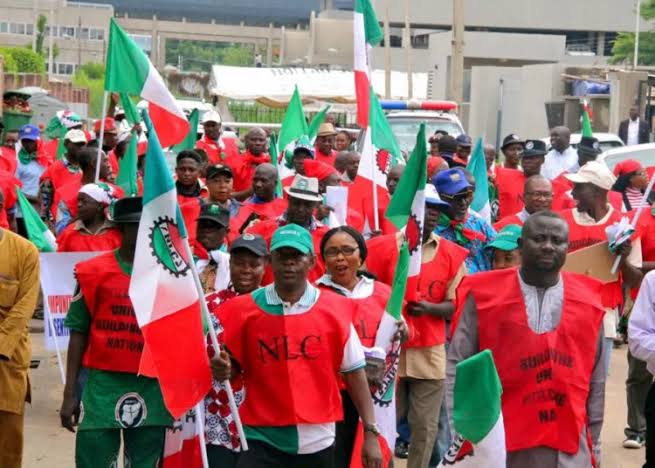
The Federal Government has approved a 133 percent increase in the imprest allocated to ministers, a decision that has sparked nationwide reactions as Nigerian workers continue to await the full implementation of the newly approved N70,000 minimum wage. The development comes at a time when labour unions and civil society groups are closely monitoring the government’s commitment to improving workers’ welfare.
According to official sources, the upward review of ministers’ imprest is part of broader administrative adjustments aimed at enhancing operational efficiency across ministries. Imprest refers to funds allocated to public officials to cover routine and emergency expenses related to official duties. Government representatives maintain that the increase is necessary to address rising operational costs, inflationary pressures, and the expanding responsibilities of federal ministries.
However, the timing of the decision has drawn criticism from labour leaders and advocacy groups. Many Nigerians argue that while political office holders are receiving significant financial adjustments, workers are still grappling with economic hardship and delays in the implementation of the N70,000 minimum wage approved earlier this year.
The N70,000 minimum wage was introduced following prolonged negotiations between the Federal Government and organized labour unions. The agreement was hailed as a major step toward cushioning the effects of inflation, subsidy removal, and rising living costs on Nigerian workers. Despite the announcement, implementation across federal and state levels has reportedly been uneven, with some states yet to fully comply.
Labour representatives have reiterated their call for swift and comprehensive enforcement of the new wage structure. They emphasize that many workers continue to struggle with high food prices, transportation costs, and housing expenses. For them, the delay in full implementation undermines the intended relief that the wage increase was meant to provide.
Economic analysts note that Nigeria’s current fiscal environment remains challenging. With inflation rates fluctuating and the cost of governance rising, the government faces mounting pressure to balance public expenditure with revenue generation. The increase in ministers’ imprest, they argue, may reflect adjustments to current economic realities. Nevertheless, transparency and accountability remain critical in maintaining public trust.
Public reactions on social media have been mixed. While some citizens acknowledge the need for adequate funding to ensure effective governance, others question the priority given to political office holders’ allowances over workers’ welfare. Several commentators have called for clearer communication from the government regarding the timeline for full minimum wage implementation.
Civil society organizations have urged the Federal Government to demonstrate fairness and sensitivity in its fiscal decisions. They argue that improving workers’ welfare should remain central to economic reforms. Ensuring prompt payment of the N70,000 minimum wage, they say, would signal the government’s commitment to inclusive growth and social stability.
In response to the growing concerns, government officials have assured the public that efforts are ongoing to ensure compliance with the new wage policy. They stress that budgetary allocations and revenue constraints sometimes affect the speed of implementation but insist that the administration remains committed to fulfilling its promises to Nigerian workers.
As discussions continue, the contrast between the increased ministers’ imprest and the delayed wage implementation has become a focal point in national discourse. Analysts suggest that how the government manages this issue could influence public perception and labour relations in the months ahead.
With workers eagerly anticipating the full rollout of the N70,000 minimum wage, stakeholders across sectors are calling for transparency, accountability, and swift action. The coming weeks are expected to be crucial as the Federal Government navigates the delicate balance between governance costs and workers’ welfare in Nigeria’s evolving economic landscape.


