

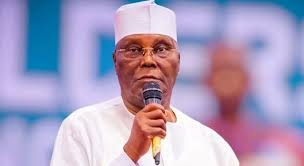
Former Vice President Atiku Abubakar has reportedly taken an early lead in the African Democratic Congress (ADC) presidential primary contest after securing strong results in Sokoto, Abia, Osun, and three other states as party delegates continue voting across the country.
The early figures emerging from the ongoing primary exercise suggest that Atiku is gaining momentum in the race for the ADC presidential ticket, setting up what analysts describe as a highly competitive contest among leading opposition figures.
Party officials and sources involved in the collation process disclosed that Atiku recorded significant victories in Sokoto, Abia, Osun, and several additional states where delegates reportedly voted heavily in his favor.
Although official nationwide results had not yet been fully declared at the time of filing this report, the early trend has already generated excitement among Atiku’s supporters and intensified political discussions within the opposition camp.
Supporters of the former vice president celebrated the initial results, describing them as evidence of his enduring political influence and nationwide support base.
“This is a reflection of Atiku’s strong political network and acceptance across different regions,” one party delegate said during the collation process.
The ADC primary has attracted growing national attention as opposition politicians continue exploring alliances and alternative political platforms ahead of future general elections.
Political observers say the contest represents a significant moment for opposition politics in Nigeria, particularly as major political actors seek to reposition themselves ahead of another election cycle.
Atiku Abubakar remains one of Nigeria’s most experienced politicians, having contested multiple presidential elections and maintained strong influence within opposition politics for decades.
Analysts believe his extensive political structure, longstanding relationships with party stakeholders, and national visibility may be contributing to his early dominance in several states.
The former vice president reportedly performed strongly in Sokoto due to his historical political ties and support networks in the North-West region.
In Abia and Osun, party insiders said delegates responded positively to his campaign outreach and promises centered on economic reforms, national unity, and restructuring.
Political commentators note that early leads in multiple states could provide Atiku with strategic momentum as the primary process progresses.
However, analysts also caution that Nigeria’s political primaries are often unpredictable, with negotiations, endorsements, and alliances capable of reshaping outcomes rapidly before final declarations.
Other aspirants participating in the ADC primary are also expected to challenge Atiku’s dominance as voting and result collation continue across additional states.
Among the notable contenders attracting attention is former Rivers State governor and ex-Minister of Transportation Rotimi Amaechi, whose supporters remain optimistic about his chances in parts of the South-South and other regions.
The contest between Atiku and Amaechi has particularly drawn attention due to their political experience and influence within Nigeria’s opposition landscape.
Political analysts say the ADC’s growing visibility reflects broader dissatisfaction among some political stakeholders seeking alternatives to Nigeria’s dominant political parties.
The party has increasingly become a platform for discussions around coalition-building and opposition realignment ahead of future elections.
Observers believe the outcome of the ADC primary could influence broader political negotiations and potential alliances among opposition groups nationwide.
Meanwhile, party officials have appealed to delegates and supporters to maintain peace and respect the democratic process throughout the exercise.
Security arrangements were reportedly strengthened in several voting locations to ensure smooth conduct of the primary and prevent disruptions.
Political observers also noted that voter turnout among delegates appeared relatively high in many states participating in the process.
Reactions on social media have remained mixed, with supporters of various aspirants sharing updates and debating the significance of the early results.
Some commentators described Atiku’s early lead as a sign of his continued relevance in national politics, while others argued that the final outcome remains uncertain until all states conclude voting and official results are announced.
Analysts believe the ADC primary may shape the direction of opposition politics in Nigeria over the coming months, especially as political parties and aspirants prepare for future electoral contests.
The emergence of a strong candidate through the primary process could also influence coalition talks and strategic alliances among opposition groups seeking to strengthen their chances in future elections.
As collation continues across the country, attention remains focused on whether Atiku can maintain his early advantage or whether rival aspirants will close the gap in subsequent results.
For now, the ongoing ADC presidential primary has further intensified political activities and renewed conversations about leadership, coalition-building, and the future of opposition politics in Nigeria.


