

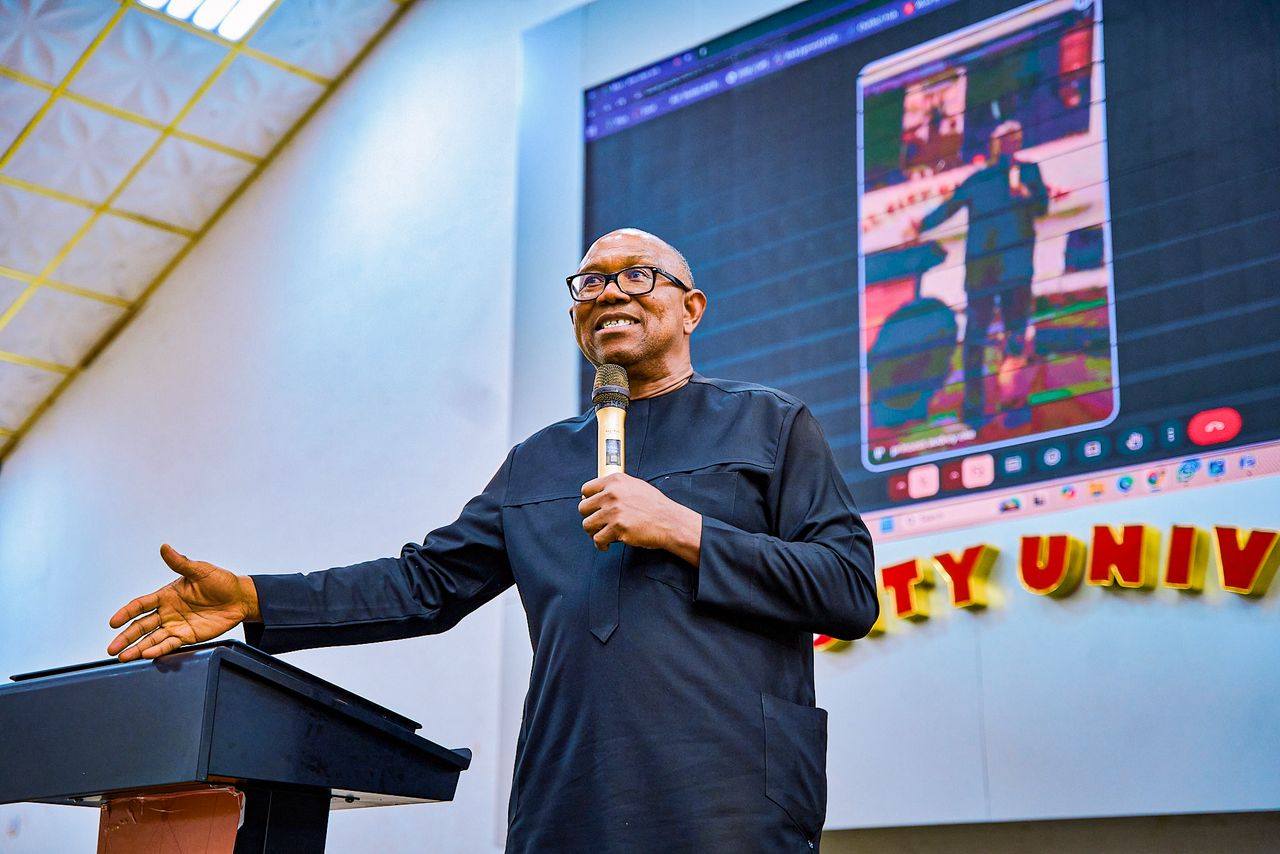
Former presidential candidate Peter Obi has issued a strong call for urgent reforms in Nigeria’s education sector, warning that the country risks falling further behind globally if it fails to prioritise investment in human capital development.
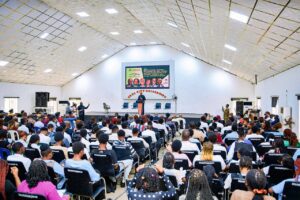
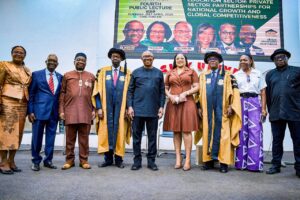
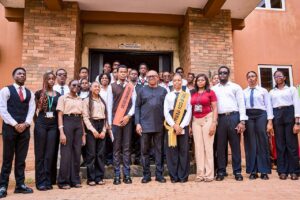
Obi made the remarks during a lecture delivered at Coal City University in Enugu, where he spoke on the theme, “Repositioning Nigeria’s Education Sector for National Growth and Global Competitiveness.” The event brought together academics, students, and policymakers, providing a platform for what he described as “a critical national conversation.”
In his address, Obi stressed that no nation can rise above the quality of its education system, linking Nigeria’s current developmental challenges to years of underinvestment in education. He cited the country’s Human Development Index (HDI) score of approximately 0.548 as evidence of structural weaknesses, alongside persistent high levels of unemployment and poverty.
According to him, Nigeria’s budgetary allocation to education—consistently below 10 percent—falls significantly short of the global benchmark of 15 to 20 percent. He noted that this gap has contributed to a range of socio-economic issues, including youth unemployment and underemployment rates exceeding 30 percent, as well as low literacy levels hovering between 59 and 65 percent.
“Education is not charity; it is the foundation of national growth,” Obi said, emphasizing that sustained investment in learning and skills development is essential for long-term prosperity.
The former Anambra State governor also pointed to life expectancy figures, which remain between 50 and 55 years, as another indicator of broader human development challenges. He argued that these outcomes are interconnected, reflecting systemic neglect of both education and healthcare sectors.
Drawing comparisons with countries such as Indonesia, Egypt, and South Africa, Obi noted that these nations have achieved higher HDI scores—ranging between 0.72 and 0.75—through consistent investment in education and human capital. He highlighted their higher literacy rates, longer life expectancy, and stronger per capita incomes as evidence of what sustained policy commitment can achieve.
“The difference is not in talent,” he remarked, “but in priority and policy consistency.”
Obi used the occasion to commend the leadership of Coal City University, including its Vice-Chancellor and management team, for fostering academic excellence and creating a forum for meaningful discourse. He underscored the importance of collaboration between public and private institutions in addressing Nigeria’s educational challenges.
A key aspect of his proposal was a comprehensive review of the country’s education funding model. He advocated for stronger public-private partnerships and called for more inclusive policies that recognise the contributions of private universities. Specifically, he questioned the exclusion of such institutions from intervention mechanisms like the Tertiary Education Trust Fund (TETFund), arguing that they play a significant role in expanding access to higher education.
Observers at the event described the lecture as both a critique and a roadmap, highlighting the urgent need for reforms while outlining practical steps toward improvement. Education experts have long argued that Nigeria’s development trajectory is closely tied to its ability to equip its population with relevant skills and knowledge.
As Nigeria grapples with economic uncertainty and a rapidly growing population, Obi’s message resonates with a broader concern: that without decisive action, the country may struggle to compete in an increasingly knowledge-driven global economy.
For many attendees, the lecture served as a reminder that education remains a cornerstone of national progress—and that the choices made today will shape Nigeria’s future for generations to come.


