

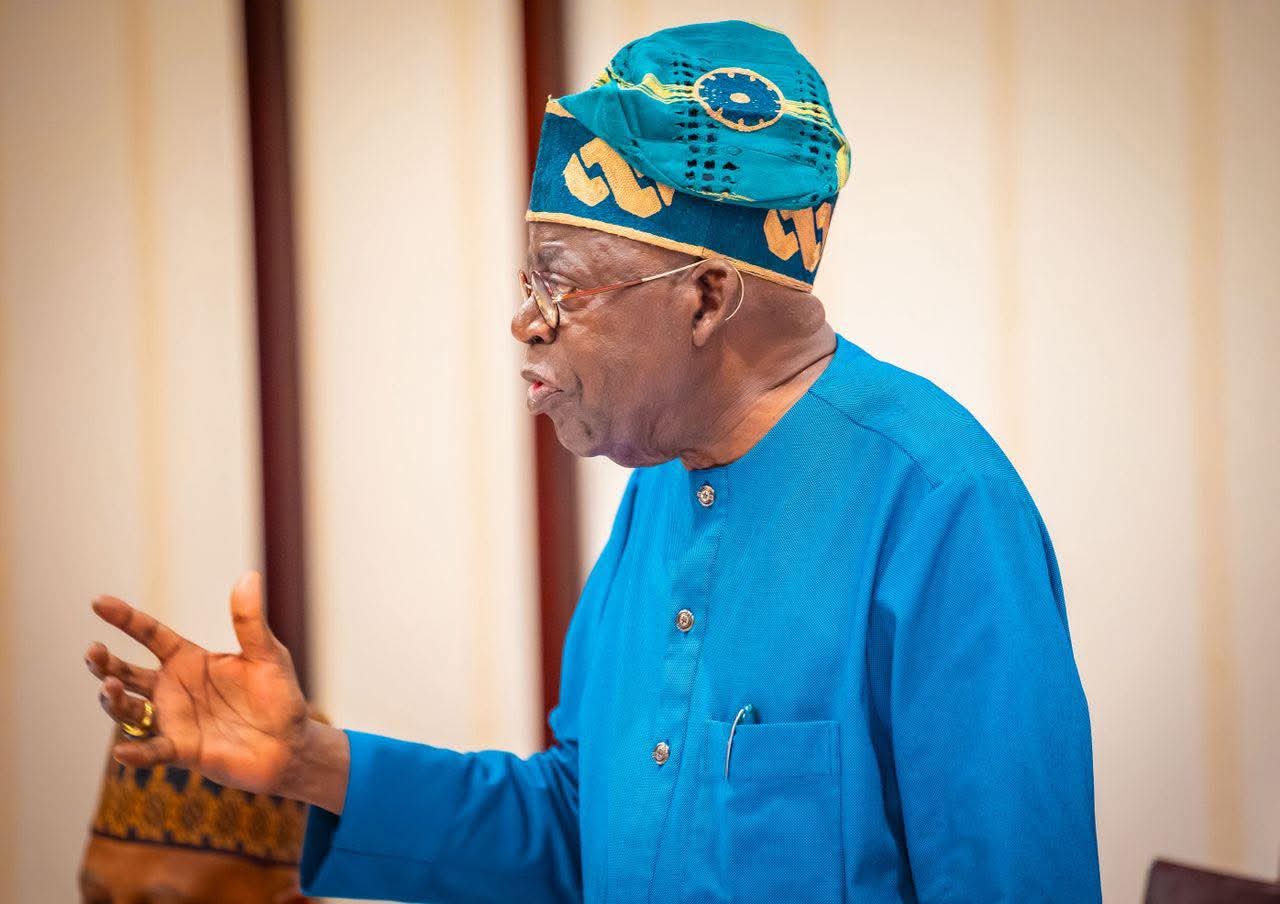
President Bola Tinubu has attributed Nigeria’s persistent electricity crisis to what he described as flawed privatization policies implemented by previous administrations, arguing that his government is now working to reverse decades of underperformance in the power sector.
Speaking during a meeting at the Presidential Villa in Abuja, the President told a delegation from Enugu State—led by Governor Peter Mbah—that earlier reforms handed over the nation’s power infrastructure without delivering meaningful improvements to citizens.
“We inherited a system that was privatized but only delivered darkness,” Tinubu reportedly said, emphasizing that his administration is committed to building a more reliable and sustainable electricity supply for Nigerians.
The delegation, which included prominent stakeholders such as former governors and traditional rulers, expressed support for the President’s leadership and pledged political backing ahead of the 2027 general elections. Governor Mbah, in particular, was praised for what attendees described as transformative leadership in Enugu State, especially in areas of security and infrastructure development.
Mbah’s presence at the meeting has drawn attention in political circles, given his evolving alignment with the federal government despite his roots in the Peoples Democratic Party (PDP). Analysts view this as part of a broader trend of shifting alliances ahead of the next election cycle.
Beyond politics, however, the President’s remarks have reignited debate over the state of Nigeria’s power sector. Despite multiple reform efforts since the privatization of generation and distribution companies over a decade ago, electricity supply remains far below national demand.
Current estimates indicate that Nigeria generates between 4,000 and 5,000 megawatts of electricity for a population exceeding 220 million people—a figure widely regarded as insufficient for economic growth and industrial development. Frequent national grid collapses, erratic supply, and rising electricity tariffs have compounded public frustration.
The Tinubu administration has introduced several initiatives aimed at addressing these challenges, including partnerships with international firms under programs such as the Siemens-backed power project. The government has also made repeated assurances since 2023 that stable electricity would soon be achievable.
However, critics argue that progress has been slow and that structural issues—ranging from aging infrastructure to liquidity constraints in the sector—continue to hinder meaningful improvement. Some analysts also question whether simply attributing the crisis to past policies adequately addresses current responsibilities.
“The legacy issues are real, but Nigerians are more concerned about present outcomes,” an energy expert noted. “The challenge is translating reforms into visible, consistent power supply.”
For businesses and households alike, unreliable electricity remains a major obstacle, forcing reliance on costly alternatives such as diesel generators. This not only increases the cost of living but also affects productivity and economic competitiveness.
As the debate continues, Tinubu’s administration faces mounting pressure to deliver tangible results in a sector widely seen as critical to national development. With the 2027 elections on the horizon, the state of the power sector is likely to become a key measure of the government’s performance.
For now, the President’s remarks have shifted attention back to the origins of the crisis—but the expectations of millions of Nigerians remain firmly focused on solutions that bring lasting light to homes and industries across the country.


