

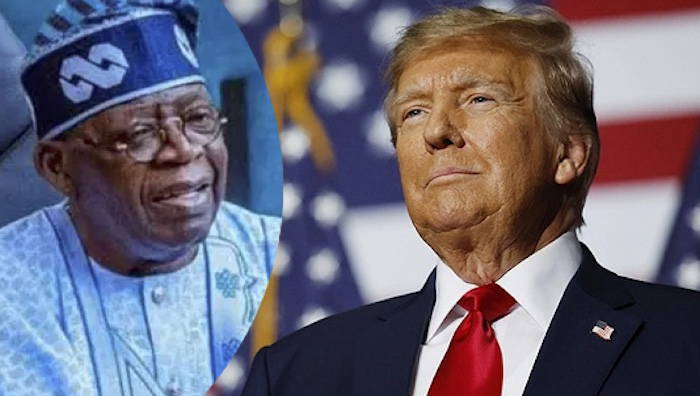
Fresh insights attributed to Donald Trump have shed light on four critical pillars shaping the evolving relationship between the United States and Nigeria—a partnership increasingly seen as pivotal to economic growth, security stability, and geopolitical influence in the 21st century.
According to emerging perspectives from the former U.S. leader, the foundation of bilateral ties rests firmly on economic cooperation, security collaboration, governance alignment, and strategic diplomacy. These pillars, analysts say, reflect both longstanding priorities and shifting global realities.
The first pillar—economic cooperation—highlights Nigeria’s importance as Africa’s largest economy and a major trading partner. Trump’s viewpoint underscores the need for expanded trade agreements, investment in energy, and support for private-sector growth. With Nigeria’s vast oil reserves and growing tech ecosystem, Washington sees Abuja not merely as a partner, but as a gateway to broader African markets. Experts note that deepening economic ties could unlock billions in mutual benefits, particularly in infrastructure, digital innovation, and manufacturing.
Security collaboration forms the second pillar, rooted in shared concerns over terrorism and regional instability. Nigeria’s prolonged battle against insurgent groups in the northeast has drawn consistent attention from U.S. policymakers. Trump’s insight reportedly emphasizes strengthening intelligence sharing, military training, and defense support as crucial steps in ensuring stability not only within Nigeria but across West Africa. This dimension of the relationship is viewed as essential in countering extremist threats and safeguarding democratic institutions.
The third pillar—governance alignment—centers on democratic values, transparency, and institutional integrity. While U.S.–Nigeria relations have occasionally been strained over governance concerns, Trump’s framing suggests a pragmatic approach that balances criticism with cooperation. Observers believe this pillar reflects Washington’s interest in promoting stability through accountable leadership while maintaining strategic engagement with Africa’s most populous nation.
Finally, strategic diplomacy emerges as the fourth pillar, capturing Nigeria’s growing influence on the global stage. From peacekeeping missions to leadership within regional bodies, Nigeria’s voice carries weight in international affairs. Trump’s perspective points to the importance of aligning diplomatic priorities, particularly in areas such as global trade, climate discussions, and multilateral negotiations.
Together, these four pillars paint a picture of a relationship that is both complex and consequential. As global power dynamics continue to shift, the partnership between the United States and Nigeria appears poised to play an increasingly central role in shaping economic opportunities and security outcomes across Africa and beyond.
For policymakers and citizens alike, the message is clear: the future of U.S.–Nigeria relations will not be defined by rhetoric alone, but by the strength of these foundational pillars and the political will to sustain them.


