

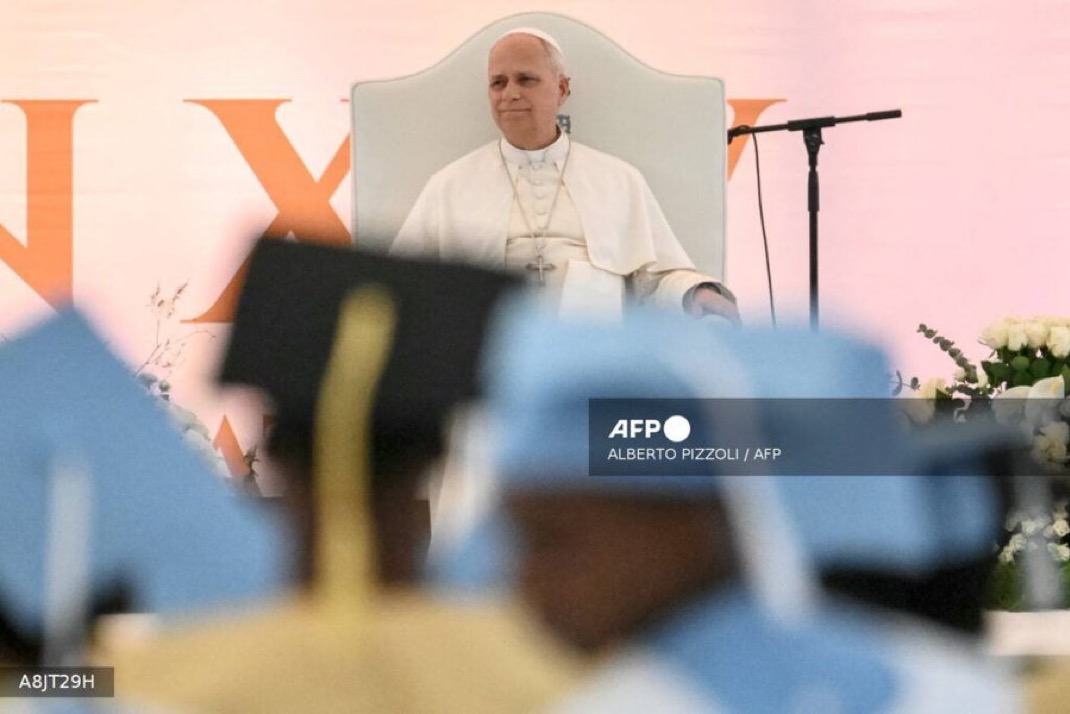
In a powerful gesture underscoring his long-standing advocacy for human dignity and justice, Pope Leo XIV is set to visit a prison widely criticized for its deplorable conditions in Equatorial Guinea on Wednesday. The visit comes on the penultimate day of his extensive African tour, which has drawn global attention for its strong moral messaging on pressing international issues.
The prison, long described by human rights organizations as overcrowded and unsanitary, has become a symbol of broader concerns about detention conditions and justice systems in parts of the region. By choosing to visit such a facility, the Pope is expected to shine a spotlight on the plight of inmates, many of whom are reportedly held under harsh conditions with limited access to basic necessities.
Vatican officials say the visit is intended to convey solidarity with marginalized and vulnerable populations, a recurring theme throughout the Pope’s journey across Africa. During his tour, Pope Leo XIV has repeatedly called for compassion, accountability, and reforms in governance, while also addressing global challenges such as inequality, conflict, and climate change.
Observers note that this particular stop carries significant symbolic weight. Rather than focusing solely on high-level diplomatic engagements, the Pope’s itinerary has included visits to communities often overlooked by international leaders. His decision to engage directly with prisoners is seen as a continuation of that approach—bringing attention to those on the fringes of society.
Human rights advocates have welcomed the move, expressing hope that it will prompt renewed scrutiny of prison conditions not only in Equatorial Guinea but across the continent. Reports from watchdog groups have highlighted issues such as overcrowding, poor sanitation, inadequate healthcare, and prolonged pretrial detention in several facilities.
“This visit could be a turning point,” one regional activist said. “When a global figure like the Pope steps into these spaces, it forces the world to pay attention.”
Throughout his African tour, Pope Leo XIV has also addressed broader geopolitical concerns, urging leaders to prioritize peace, justice, and the welfare of their citizens. His speeches have emphasized the interconnected nature of global challenges, calling for collective action and moral responsibility.
The Pope’s itinerary has included meetings with political leaders, religious figures, and civil society groups, as well as public addresses attended by thousands of faithful. His messages have resonated widely, particularly among communities grappling with poverty, insecurity, and governance challenges.
As the tour nears its conclusion, the visit to the prison is expected to be one of its most poignant moments. Analysts suggest that it reflects a deliberate effort to balance diplomacy with advocacy, reinforcing the Vatican’s role as both a spiritual authority and a voice for social justice.
While it remains to be seen what immediate impact the visit will have on policy or conditions within the facility, its symbolic significance is undeniable. For inmates and their families, it represents recognition of their struggles; for governments, it serves as a reminder of the global expectations surrounding human rights.
As Pope Leo XIV prepares to conclude his African journey, his actions continue to echo a central message: that no society can claim progress without addressing the dignity and rights of its most vulnerable members.


