

China has issued a stark warning that the Middle East is at a “critical juncture,” following a dramatic shift in policy by Donald Trump to extend a fragile ceasefire with Iran, a move aimed at buying more time for diplomatic negotiations but which has also deepened uncertainty across the region.
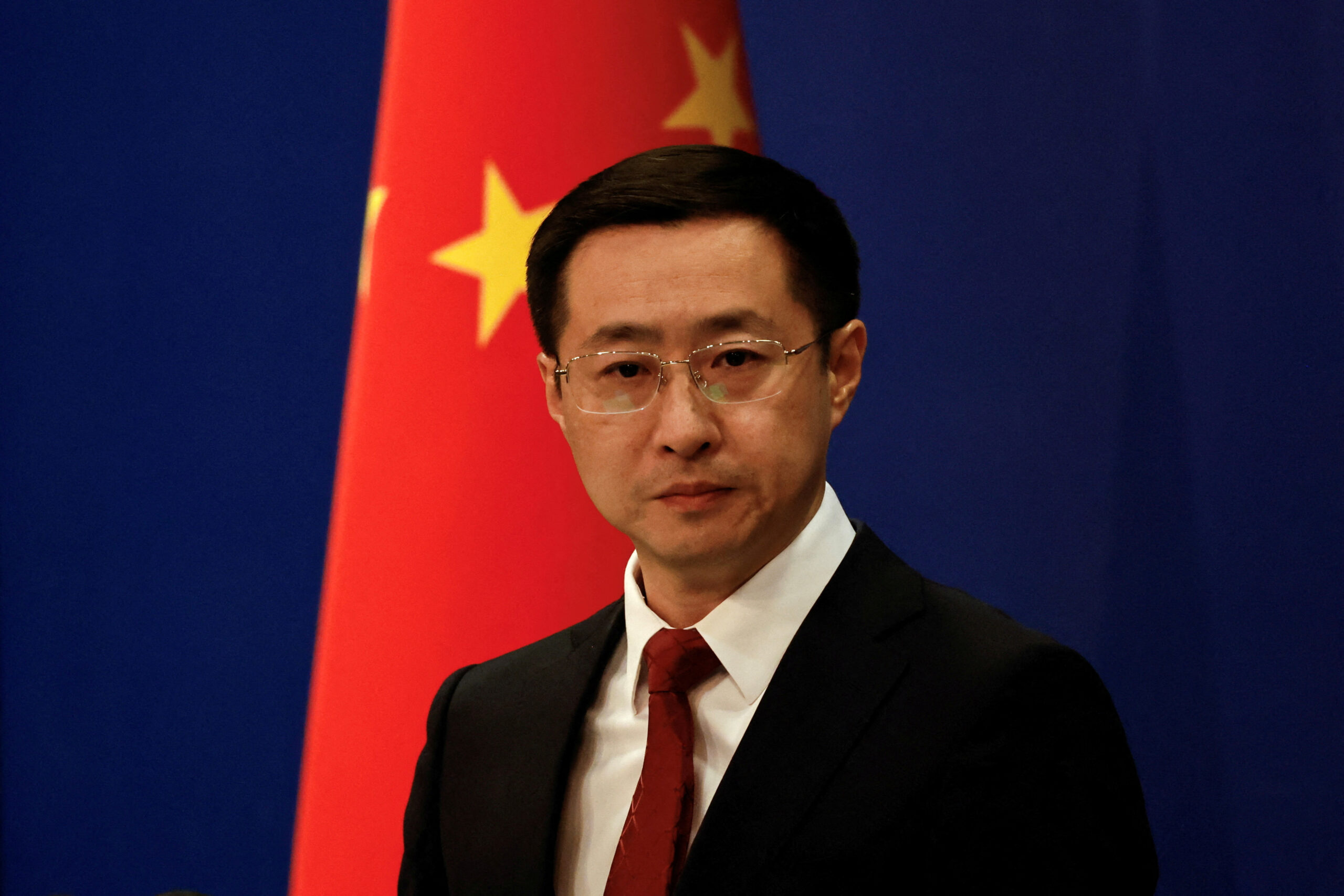
Speaking through Foreign Ministry spokesperson Guo Jiakun, Beijing emphasized that the situation remains highly volatile despite the extension of the truce. Chinese officials urged all parties to avoid escalation and return to dialogue, warning that missteps at this stage could trigger a wider regional crisis.
The warning comes after Trump reversed earlier indications that the United States would allow the ceasefire to expire. Instead, Washington opted for an extension—reportedly influenced by international mediation efforts and mounting global pressure—to give Tehran additional time to present a unified negotiating position.
While the extension has temporarily eased fears of immediate military confrontation, tensions remain high. Iran has refused to engage in talks under what it describes as coercive conditions, particularly criticizing the continued U.S. naval blockade as incompatible with genuine diplomacy.
China’s response reflects its growing role as a diplomatic actor in the Middle East. Beijing has consistently called for restraint, arguing that “military means cannot bring peace” and warning that further escalation could spiral into an uncontrollable conflict with global consequences.
Analysts say China’s concerns are not only strategic but also economic. The Middle East remains a critical source of energy supplies, and disruptions—especially around key routes like the Strait of Hormuz—have already sent shockwaves through global oil markets. Recent developments have pushed oil prices close to $100 per barrel, underscoring the broader economic stakes tied to the crisis.
Despite the ceasefire extension, the situation on the ground remains fragile. Military deployments continue, and both sides have maintained a posture of readiness. Reports indicate that thousands of U.S. troops remain stationed in the region, signaling preparedness for potential escalation should negotiations fail.
Diplomatic efforts, including mediation attempts by countries such as Pakistan and support from international stakeholders, are ongoing. However, progress has been slow, with both Washington and Tehran holding firm to their core demands.
China’s warning that the region stands at a “critical juncture” highlights the narrow path ahead. A successful negotiation could stabilize not only the Middle East but also global economic conditions. Failure, however, risks reigniting hostilities with far-reaching consequences for international security.
As the extended ceasefire ticks on without a clear resolution, the world watches closely. For Beijing and other global powers, the priority is clear: prevent escalation, sustain dialogue, and avoid a conflict that could reshape the geopolitical order far beyond the Middle East.


