

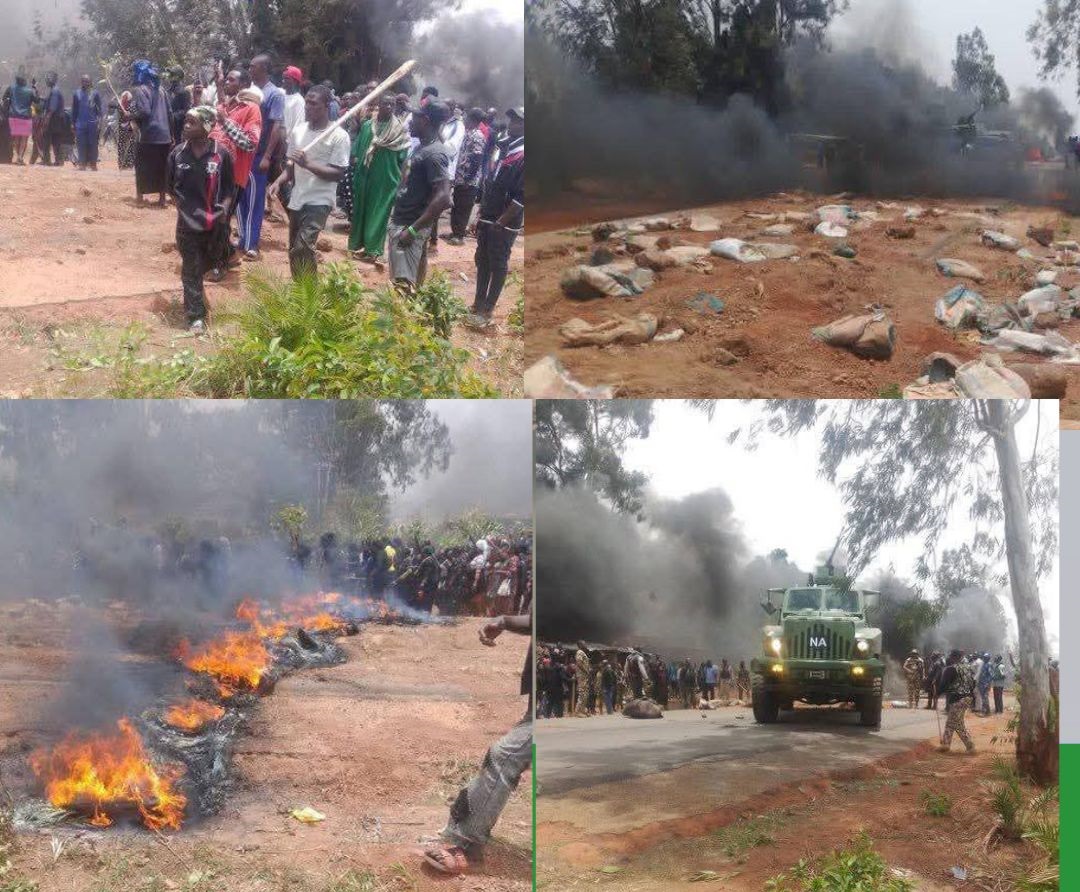
Tensions have escalated sharply in central Nigeria following a controversial and alarming incident in Plateau State, where youths reportedly attacked military personnel and destroyed a security checkpoint in what authorities fear could signal a dangerous breakdown of trust between civilians and security forces.
The Incidence occurred on Monday in Gashish, a community in Barkin Ladi Local Government Area of Plateau State, when a group of youths from the Berom ethnic group confronted soldiers stationed in the area. According to local accounts, the group—initially claiming to be staging a “peaceful demonstration”—quickly turned violent, vandalizing military infrastructure and forcing troops to retreat.
Eyewitness reports, including statements attributed to community sources such as Datti Assalafy, allege that the protesters accused soldiers of failing in their primary duty of protecting lives and property. Instead, they claimed that some personnel were more focused on extorting motorists and collecting illegal levies at checkpoints.
The protesters reportedly demanded the immediate withdrawal of soldiers from their communities, a move that has sparked widespread concern among security analysts and government officials. The brazenness of the attack—targeting armed military personnel—has raised critical questions about discipline, authority, and the deteriorating relationship between civilians and the security apparatus.
“This is not just a protest; it is a direct challenge to state authority,” a security expert based in Jos observed. “When civilians feel emboldened enough to confront soldiers, it reflects a deeper crisis of confidence in the system.”
The incident comes against the backdrop of longstanding ethnic and communal tensions in Plateau State, a region that has witnessed cycles of violence for decades. In recent months, the area has seen renewed clashes, often leading to reprisals and targeted attacks.
Particularly troubling is the pattern of retaliatory violence along major highways. Reports indicate that following earlier attacks in Barkin Ladi—including the killing of at least 10 people in February 2026—there have been incidents of mob violence targeting travelers. In one such case, four Muslim travelers were reportedly killed along the Jos–Shendam road, highlighting the dangerous intersection of ethnic and religious tensions.
Community leaders and civil society groups have expressed concern that Monday’s attack could further inflame divisions and trigger a new wave of violence. They have called for restraint, dialogue, and urgent intervention by both state and federal authorities.
The Nigerian military has yet to release an official statement detailing the extent of the damage or any casualties resulting from the confrontation. However, security sources indicate that investigations are underway, and there may be efforts to reinforce military presence in the area to prevent further escalation.
Analysts warn that addressing the root causes of the crisis—ranging from perceived injustice and insecurity to economic hardship and weak governance—will be critical in restoring stability. Without meaningful engagement and accountability, they caution, incidents like this could become more frequent and more severe.
For residents of Plateau State, the latest is yet another reminder of the fragile peace that defines daily life. As authorities grapple with the fallout, the urgent challenge remains clear: rebuilding trust, ensuring justice, and preventing a descent into deeper conflict.


