

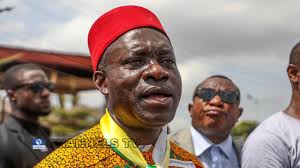
In a recent statement, Soludo reportedly advised South-East voters not to support Obi or former Vice President Atiku Abubakar in the next presidential race, instead urging backing for President Bola Ahmed Tinubu. The remarks quickly gained traction online, drawing criticism and counterarguments, particularly from supporters of Obi.
Recurring Pattern of Public Exchanges
Political observers note that this is not the first time Soludo has made pointed comments about Obi, with similar exchanges dating back several years. Analysts say such statements often trigger intense online engagement, keeping both figures central to national political discourse.
Some commentators describe the trend as part of a broader communication strategy in Nigeria’s evolving media landscape, where visibility and public engagement are seen as key political assets.
Divided Reactions
Supporters of the governor argue that his comments reflect candid political assessments and strategic positioning ahead of the 2027 elections. They maintain that his views are grounded in his understanding of national politics and electoral realities.
Critics, however, interpret the remarks as unnecessary attacks, suggesting they contribute to divisions within the South-East and distract from governance priorities. Many of Obi’s supporters have taken to social media to defend the former governor and challenge Soludo’s assertions.
Government Response and Obi’s Position
The Anambra State Government has previously rejected claims that the governor’s remarks are driven by personal rivalry, emphasizing his credentials as a former Central Bank governor and economist.
Obi, for his part, has largely maintained a restrained tone in past responses, often calling for unity and focusing on broader issues of governance and national development.
Broader Implications
Analysts say the recurring exchanges highlight the increasing role of media narratives in shaping political relevance in Nigeria. They note that controversial statements tend to generate more public engagement than policy-focused communication, reinforcing cycles of reaction and visibility.
As political activity gradually intensifies ahead of 2027, observers believe such interactions could continue to influence public discourse, particularly within key regional and national constituencies.
While opinions remain divided, the latest episode underscores the complex interplay between political messaging, public reaction, and media attention in Nigeria’s evolving democratic space.


