

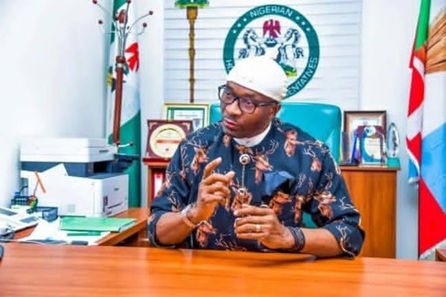
The Office of the Deputy Speaker of the House of Representatives has defended a controversial budget provision for church-related projects after public criticism over a proposed allocation for evangelical equipment in the 2026 Appropriation Bill.
The controversy followed reports highlighting a budget item earmarking approximately ₦780 million for the procurement of evangelical instruments, public address systems and related equipment for about 130 churches in Bende Federal Constituency, Abia State.
The proposed allocation sparked widespread debate on social media and among civil society organisations, with critics questioning the appropriateness of such spending at a time when Nigeria faces significant economic challenges, including inflation, rising public debt and demands for greater investment in healthcare, education and infrastructure.
Responding to the criticism, the Deputy Speaker’s office dismissed claims that the project was intended solely for religious purposes, describing some media reports as a misrepresentation of the initiative.
According to the statement, the programme forms part of a broader youth reorientation and community development initiative designed to address social challenges such as drug abuse, cultism, sexual offences, youth violence and other forms of anti-social behaviour.
The office argued that churches and other faith-based institutions play an important role in moral education, counselling and community engagement, making them effective partners in promoting positive values and social development.
It further explained that the constituency has more than 200 churches, many of which are actively involved in youth mentorship, educational support and humanitarian activities.
The Deputy Speaker’s office maintained that the intervention complements ongoing investments in roads, education, healthcare and other infrastructure projects within the constituency, insisting that it should not be viewed in isolation.
Despite the explanation, the budget item has continued to attract criticism from governance advocates and public finance experts, who argue that constituency projects should be closely aligned with essential public services and subjected to rigorous oversight.
Some critics contend that, given Nigeria’s current economic realities, greater priority should be given to improving schools, hospitals, water supply and other critical infrastructure rather than funding projects perceived to benefit specific religious institutions.
The debate has also renewed broader discussions about the role of constituency projects in Nigeria’s budgeting process, with calls for increased transparency, clearer project descriptions and stronger mechanisms for monitoring implementation.
Public policy analysts note that while lawmakers are expected to facilitate development projects within their constituencies, all public expenditure should demonstrate clear public value, comply with constitutional principles and be implemented transparently.
Officials familiar with the budget process have indicated that the proposed appropriation remains under legislative consideration and may be reviewed through a corrigendum or further amendments before the budget receives final approval.
As deliberations on the 2026 budget continue, stakeholders have urged the National Assembly and the executive to ensure that all budget allocations reflect national priorities, promote fiscal responsibility and deliver measurable benefits to citizens.
The controversy underscores the increasing public demand for accountability and transparency in government spending, particularly at a time when limited public resources must be carefully allocated to address Nigeria’s pressing developmental challenges.


