

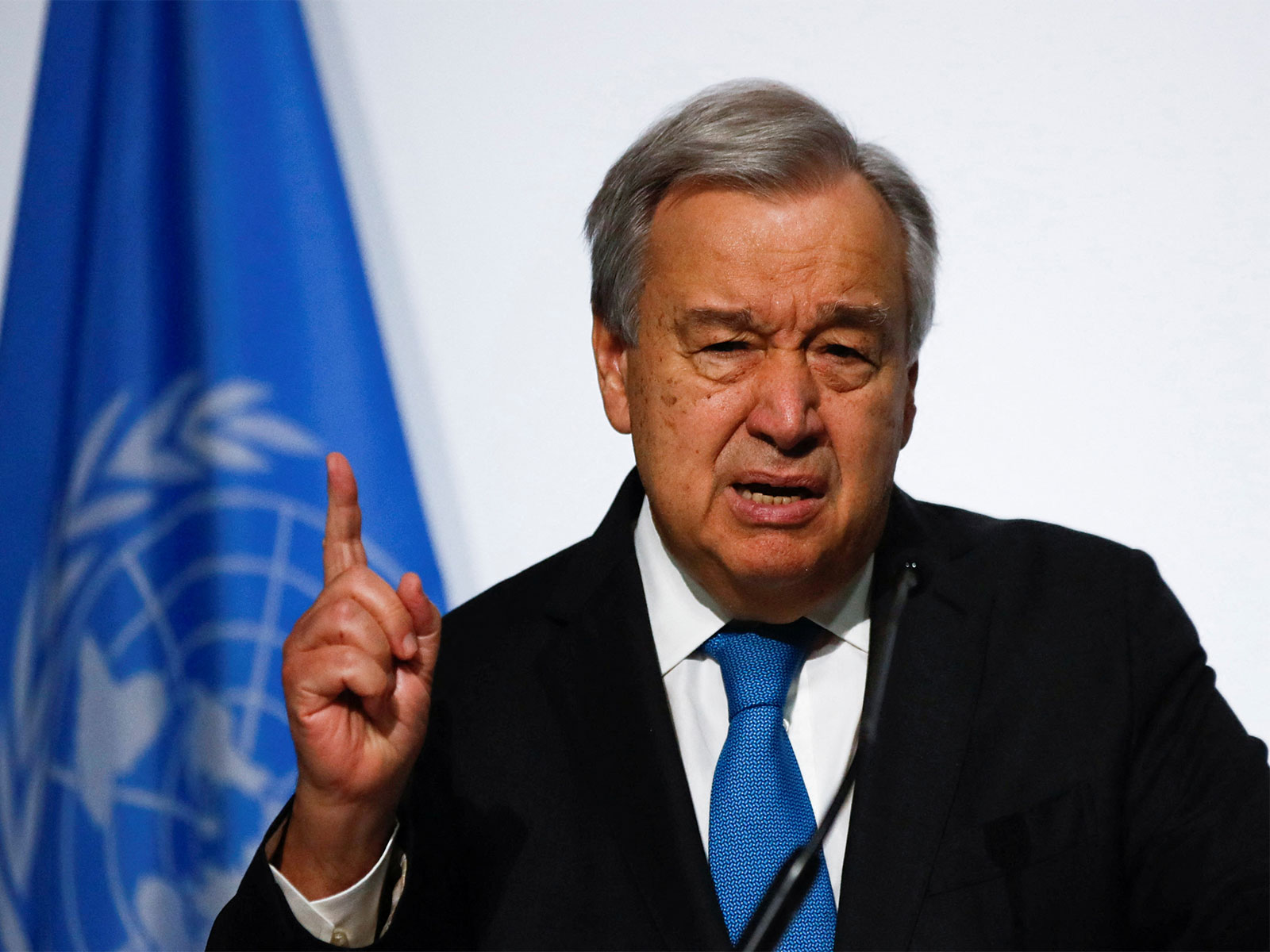
ABUJA — The Secretary-General of the United Nations, António Guterres, has called on all parties involved in ongoing conflicts to fully respect the cessation of hostilities, warning that any violation could trigger a dangerous العودة to violence.
In a statement reported by Reuters, Guterres emphasized the urgent need for strict adherence to agreed ceasefire terms, urging all sides to exercise restraint and avoid actions that could undermine fragile peace efforts.
“All parties must respect the cessation of hostilities and the ceasefire,” the UN chief said, stressing that maintaining the current halt in fighting is critical to preventing further escalation and loss of life.
Although the statement did not specify a particular conflict, it comes at a time of heightened global tensions, including ongoing confrontations in the Middle East and other volatile regions where ceasefire agreements remain precarious.
Diplomatic observers say Guterres’ remarks reflect growing concern within the international community about the sustainability of recent truce arrangements, particularly in areas where mistrust between opposing sides remains high.
The UN has historically played a central role in mediating ceasefires and facilitating peace negotiations, often working alongside regional organizations and international partners to de-escalate conflicts. However, maintaining ceasefires has proven challenging, especially when underlying political and security issues remain unresolved.
Analysts note that ceasefires are often the first step toward broader peace agreements, but they are also among the most fragile stages of conflict resolution. Even minor violations can quickly spiral into renewed hostilities, undoing weeks or months of diplomatic progress.
“The success of any ceasefire depends not just on the agreement itself, but on the willingness of all parties to honor it in both letter and spirit,” a conflict resolution expert said.
Guterres also urged stakeholders to prioritize dialogue and diplomacy over confrontation, highlighting the human cost of continued violence. “The focus must now shift to building trust, delivering humanitarian aid, and creating conditions for lasting peace,” he said.
Humanitarian organizations have echoed the UN’s concerns, warning that renewed fighting would exacerbate already dire conditions for civilians in affected areas. Access to food, medical care, and essential services often hinges on the stability provided by ceasefire agreements.
In recent conflicts, violations of ceasefires have led to significant setbacks, including displacement of populations, destruction of infrastructure, and increased civilian casualties. As such, the UN’s latest appeal is seen as both a warning and a call to action.
Global reactions to Guterres’ statement have been largely supportive, with several governments and international bodies reiterating their commitment to peace and stability. However, questions remain about the mechanisms available to enforce compliance, particularly in conflicts involving multiple actors with competing interests.
As the situation continues to evolve, the UN Secretary-General’s message underscores a critical reality: the window for peace remains open, but it is narrow and fragile. Whether it holds will depend on the choices made by those directly involved in the conflict—and their willingness to prioritize peace over prolonged confrontation.


