

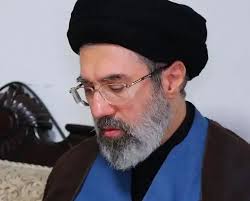
ABUJA — Tensions between Iran and the United States have intensified further following a strong warning attributed to Iran’s Supreme Leader, Mojtaba Khamenei, who declared that the country’s navy “stands ready” to defeat U.S. forces.
The statement, reportedly shared via official communication channels, comes at a time of heightened confrontation between the two nations over control of the strategic Strait of Hormuz—a narrow but crucial waterway through which a significant portion of the world’s oil supply passes.
According to available reports, Khamenei asserted that Iran’s “brave navy stands ready to make the enemies taste the bitterness of new defeats,” signaling a hardening stance as diplomatic efforts remain stalled.
The warning follows a series of escalating incidents in the Gulf region, including the re-imposition of restrictions on the Strait of Hormuz and reported attacks on commercial vessels attempting to navigate the passage. Global concern has mounted as the situation threatens both regional stability and international energy markets.
Recent developments indicate that Iran has tightened its grip on the strait in response to ongoing U.S. naval blockades targeting Iranian ports. Tehran insists the blockade violates international norms, while Washington maintains it is a necessary measure tied to broader security and nuclear concerns.
Military analysts say Khamenei’s remarks reflect not only a show of force but also a strategic message aimed at deterring further U.S. actions in the region. “This is both signaling and psychological warfare,” a defense expert noted. “Iran is emphasizing its readiness to escalate if provoked.”
The situation is further complicated by the absence of a comprehensive peace agreement between the two sides. Diplomatic negotiations, reportedly mediated by regional actors, have yet to produce a breakthrough, with major disagreements persisting over Iran’s nuclear programme and sanctions relief.
Meanwhile, U.S. President Donald Trump has dismissed Iran’s actions as “blackmail,” warning that Washington will not yield to pressure regarding maritime security or energy routes.
The stakes remain extraordinarily high. The Strait of Hormuz is considered one of the most critical chokepoints in global trade, with disruptions capable of triggering spikes in oil prices, supply chain breakdowns, and broader economic instability worldwide.
Security experts warn that any direct military confrontation between Iran and the United States in the Gulf could have far-reaching consequences beyond the region. “This is no longer a bilateral issue,” an international relations analyst observed. “It’s a global risk with economic, political, and security implications.”
As both nations maintain firm positions, the possibility of escalation continues to loom large. With ceasefire deadlines approaching and naval forces on high alert, the international community is increasingly urging restraint and renewed diplomatic engagement.
For now, Khamenei’s warning underscores a stark reality: the standoff in the Gulf is entering a more dangerous phase—one where rhetoric, military readiness, and strategic waterways converge, with the potential to reshape global stability.


