

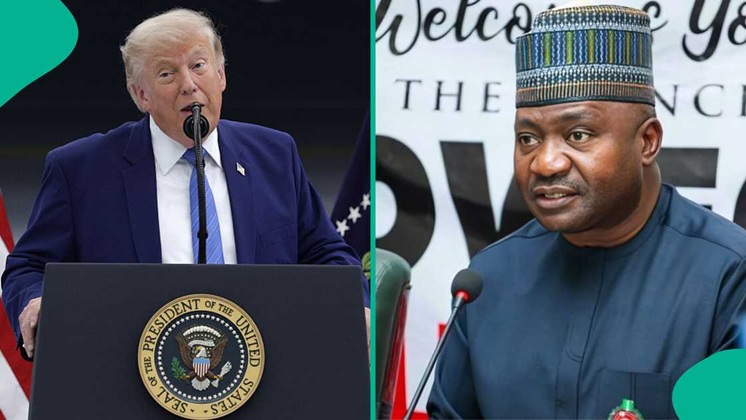
The United States government has designated a Nigerian national and several other individuals as alleged financiers of the Islamic State terrorist network, in a move aimed at disrupting the group’s global funding channels and limiting its ability to carry out violent activities.
The designation, announced by U.S. authorities under counterterrorism measures, places financial sanctions on the affected individuals and entities, restricting their access to the American financial system and prohibiting U.S. persons from engaging in transactions with them.
According to U.S. officials, the individuals were accused of providing financial support, facilitating transactions, or assisting networks linked to the Islamic State, commonly known as ISIS. The sanctions are part of broader international efforts to weaken the operational capacity of terrorist organisations by targeting their sources of funding.
The United States has maintained that cutting off financial networks remains a critical component of global counterterrorism strategies, as extremist groups often depend on money transfers, illicit trade, and other financial mechanisms to recruit members, acquire weapons, and sustain operations.
Security analysts note that terrorist financing networks often span multiple countries, making international cooperation among governments, intelligence agencies, and financial institutions essential for effective disruption.
The latest designation highlights growing concerns about the spread of extremist financing networks in Africa, particularly in regions facing threats from groups affiliated with the Islamic State.
In Nigeria, security forces have continued operations against insurgent factions, including groups linked to ISIS operating around the Lake Chad region and parts of the country’s North-East.
Authorities have repeatedly emphasized the need for stronger intelligence gathering, cross-border cooperation, and financial monitoring to prevent extremist groups from accessing resources that could fuel further violence.
While the U.S. designation represents an administrative action and not a criminal conviction, those affected may face severe restrictions on international financial transactions and heightened scrutiny from governments and financial institutions worldwide.
The announcement is expected to strengthen cooperation between Nigeria, the United States, and other international partners in the ongoing fight against terrorism, particularly in addressing the financial structures that sustain extremist movements.
Counterterrorism experts argue that defeating terrorist groups requires not only military operations but also sustained efforts to dismantle the economic and logistical networks that allow such organisations to survive and expand.


