

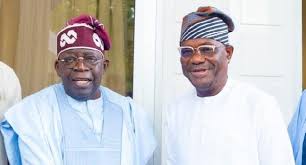
President Bola Tinubu has called on residents of the Federal Capital Territory (FCT) to fulfill their obligations regarding ground rent and other statutory taxes, emphasizing that increased revenue generation is essential for sustaining and expanding infrastructure and developmental projects across the nation’s capital.
The President made the appeal while highlighting the importance of citizen participation in government efforts to transform Abuja through strategic investments in roads, transportation networks, public facilities, healthcare infrastructure, and urban renewal initiatives.
According to Tinubu, tax compliance remains a critical component of national and local development, as government revenues generated through taxes and levies help fund projects that improve the quality of life for residents.
Revenue Key to Infrastructure Development
Speaking on the relationship between taxation and development, the President stressed that governments at all levels require adequate revenue to provide essential public services and infrastructure.
He noted that residents who fulfill their obligations by paying ground rent, property-related charges, and other approved taxes contribute directly to the development of their communities.
According to Tinubu, recent infrastructure projects executed within the Federal Capital Territory demonstrate how public revenue can be transformed into tangible benefits for citizens.
The administration believes that stronger compliance with tax regulations will enable authorities to undertake more projects and improve service delivery across Abuja and surrounding districts.
FCT Witnessing Major Infrastructure Investments
The Federal Capital Territory has witnessed a series of infrastructure projects in recent years, including road construction, rehabilitation of public facilities, expansion of transportation networks, and urban development initiatives.
Government officials have repeatedly stated that the objective is to improve mobility, stimulate economic activity, and enhance the overall living environment within the capital city.
The President noted that these investments require substantial financial resources and sustained revenue inflows to ensure timely completion and maintenance.
He emphasized that residents should view tax payments not merely as legal obligations but as contributions toward collective development and improved public services.
Ground Rent Collection Remains Priority
Ground rent has become a major focus for authorities in the Federal Capital Territory as officials seek to improve internally generated revenue and strengthen fiscal sustainability.
The FCT Administration has repeatedly urged property owners and landholders to settle outstanding obligations to avoid penalties and support ongoing development efforts.
Experts describe ground rent as a critical source of revenue that enables authorities to finance urban planning initiatives, environmental management programs, and infrastructure projects.
Government officials argue that effective collection of such revenues is necessary to meet the growing demands of a rapidly expanding capital city.
Economic Benefits of Tax Compliance
Analysts note that increased tax compliance can have broader economic benefits beyond funding government projects.
A stronger revenue base can reduce dependence on borrowing, improve fiscal planning, and create opportunities for investments in sectors such as healthcare, education, transportation, and public safety.
Economic experts argue that sustainable development requires a balance between efficient revenue collection and transparent utilization of public funds.
They also emphasize the importance of accountability in ensuring that taxpayers can see clear evidence of how their contributions are being used to improve infrastructure and public services.
Calls for Greater Civic Responsibility
President Tinubu used the occasion to encourage residents and businesses operating within the Federal Capital Territory to embrace civic responsibility and support government efforts aimed at accelerating development.
He noted that modern cities around the world rely heavily on taxes and property-related charges to finance critical infrastructure and maintain public amenities.
According to the President, compliance with tax obligations strengthens the partnership between government and citizens and creates a foundation for long-term economic growth.
The administration maintains that increased revenue collection will enhance its capacity to execute projects that directly benefit communities and improve living standards.
Residents Seek Transparency and Value for Money
While many residents acknowledge the importance of taxation, some stakeholders have called for greater transparency regarding the utilization of public funds.
Civil society groups and community leaders have argued that visible improvements in infrastructure and service delivery can encourage higher levels of compliance among taxpayers.
They believe that public trust is strengthened when citizens can clearly see the impact of government spending on roads, schools, healthcare facilities, transportation systems, and other essential services.
Looking Ahead
As the Federal Capital Territory continues to expand, revenue generation and infrastructure development are expected to remain central priorities for the government.
President Tinubu’s appeal underscores the administration’s belief that sustainable development depends on a combination of responsible governance, strategic investment, and active citizen participation.
With major projects ongoing across Abuja, authorities are optimistic that improved tax compliance and timely payment of ground rent will provide the resources needed to drive further growth and modernization within Nigeria’s capital city.


