

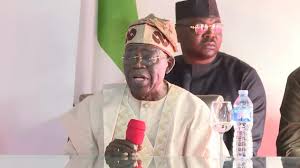
Comments made by a prominent supporter of President Bola Tinubu’s administration during a televised interview have ignited fresh debates over Nigeria’s economic challenges, fuel prices, and the impact of ongoing reforms on ordinary citizens.
The controversy emerged after Bamidele Atoyebi, a representative of the Bola Ahmed Tinubu Ideological Group, appeared on ARISE News to defend the administration’s performance over the past three years. During the interview, Atoyebi highlighted several achievements of the government, including security investments and economic reforms, while arguing that the removal of fuel subsidy was a necessary step toward long-term economic stability.
However, his comments quickly generated criticism on social media, where many Nigerians questioned the government’s handling of rising living costs and worsening economic hardship.
Defense of Tinubu Administration
During the television appearance, Atoyebi faced questions from ARISE News anchors regarding the administration’s record since President Bola Tinubu assumed office.
Responding to concerns about governance and economic conditions, he pointed to government investments in security infrastructure, including the establishment and expansion of security training facilities in various parts of the country.
According to him, such initiatives demonstrate the administration’s commitment to strengthening national security and improving the capacity of law enforcement agencies to combat crime and insecurity.
He also defended the government’s decision to remove fuel subsidies, describing it as a difficult but necessary reform designed to address long-standing distortions in the Nigerian economy.
Supporters of the policy argue that subsidy payments had become financially unsustainable and diverted resources that could have been used for infrastructure, healthcare, education, and other developmental projects.
Rising Fuel Prices Remain Major Concern
Despite official explanations supporting the policy, fuel prices remain one of the most contentious issues facing the administration.
Since the removal of subsidy, petrol prices have risen significantly, with many Nigerians struggling to cope with increased transportation costs and higher prices for goods and services.
Economic analysts note that the increase in fuel costs has contributed to inflationary pressures across multiple sectors of the economy.
For millions of households, transportation expenses now consume a larger share of monthly income, while businesses continue to face rising operating costs.
The situation has intensified public frustration, particularly among low-income earners who argue that their wages have not kept pace with increasing living expenses.
Social Media Reactions Intensify
The interview generated widespread reactions online, with many users criticizing remarks that they viewed as disconnected from the realities facing ordinary Nigerians.
Critics pointed to the difficulties encountered by workers earning the national minimum wage and argued that rising fuel prices have significantly reduced purchasing power.
Some social media commentators noted that the cost of filling a vehicle’s fuel tank can exceed the monthly earnings of many workers, highlighting the economic pressures confronting households across the country.
Others defended the government’s position, arguing that reforms often involve short-term sacrifices before yielding long-term benefits.
The debate reflects broader divisions among Nigerians regarding the effectiveness of current economic policies and the pace of relief measures introduced by the government.
Experts Weigh Economic Impact
Economists remain divided over the long-term effects of subsidy removal.
Supporters of the reform argue that ending fuel subsidies was necessary to reduce fiscal pressure on government finances and create opportunities for investment in critical sectors.
They contend that subsidy payments consumed enormous public resources while benefiting smugglers and middlemen more than ordinary citizens.
However, critics argue that the policy should have been accompanied by stronger social protection measures to cushion the impact on vulnerable populations.
Many experts have called for targeted interventions, including transportation support, expanded social welfare programs, and initiatives aimed at boosting employment and productivity.
Political Implications Ahead of 2027
The controversy comes as political discussions surrounding the 2027 general elections gradually gain momentum.
Economic performance, inflation, fuel prices, and living standards are expected to remain central issues in future political campaigns and public debates.
Opposition parties have continued to criticize the administration over economic hardship, while supporters maintain that the reforms are laying the foundation for long-term growth and stability.
Political observers believe public perception of the government’s economic policies could significantly influence voter sentiment in the years ahead.
Nigerians Seek Tangible Relief
As debates continue, many Nigerians are less concerned about political arguments and more focused on practical improvements in their daily lives.
Citizens across the country continue to demand lower living costs, improved public services, better job opportunities, and greater economic stability.
While supporters of the administration argue that reforms require patience, critics insist that the government must do more to ease the burden on struggling households.
The latest controversy underscores the broader national conversation about balancing economic reforms with the immediate needs of citizens, a challenge that is likely to remain at the forefront of Nigeria’s political and economic discourse in the coming years.


