

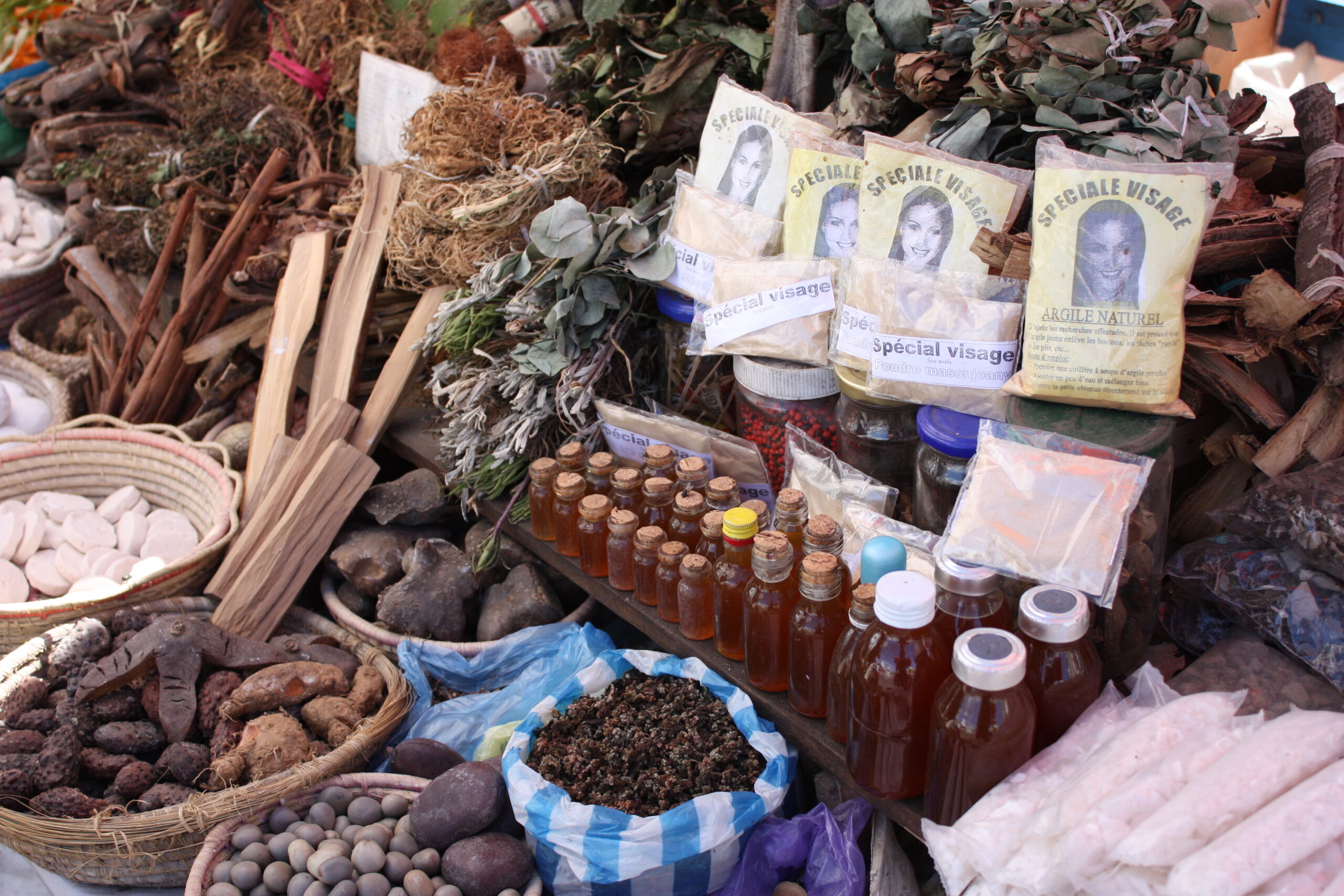
A thought-provoking essay by Ogbuefi Ndigbo has reignited debate over the legacy of colonialism on Africa’s healthcare systems, arguing that colonial rule not only dispossessed Africans of their lands and institutions but also reshaped how they perceive indigenous knowledge and traditional medicine.
The article contends that colonialism extended beyond military conquest, embedding itself in schools, hospitals, churches and legal systems that determined which forms of knowledge were regarded as legitimate. According to the author, indigenous African healing practices—developed over centuries through observation, experimentation and communal experience—were broadly dismissed as inferior rather than objectively evaluated.
Drawing historical parallels, the essay references the 1910 publication of the Flexner Report, which transformed medical education in the United States by promoting scientific standards. While acknowledging that the reforms paved the way for advances such as antibiotics, vaccines, modern surgery and evidence-based medicine, the author argues that they also sidelined alternative medical traditions, including herbal medicine and homeopathy.
The article notes that around the same period, British colonial authorities in Nigeria were dismantling indigenous political and religious institutions, while Christian missionaries frequently condemned traditional religious and healing practices. This, the author argues, weakened long-established systems of community-based healthcare and accountability.
According to the essay, traditional African healing was never limited to herbal remedies but was intertwined with spirituality, ethics, community responsibility and social trust. The author argues that when colonial authorities criminalised or stigmatised these practices, many legitimate practitioners were forced underground, creating opportunities for impostors and criminal elements to exploit the tradition.
The piece also criticises what it describes as a “double standard” in judging indigenous medicine. It argues that while misconduct by a lawyer or doctor does not invalidate their professions, criminal acts committed by individuals identifying as “native doctors” are often used to discredit centuries of African medicinal knowledge.
While rejecting any romanticisation of traditional medicine, the essay acknowledges that some indigenous remedies are ineffective or unsafe and should be discarded through scientific evaluation. At the same time, it argues that many modern pharmaceutical drugs originated from plants first used by indigenous communities, demonstrating the value of traditional knowledge as a foundation for scientific discovery.
The author further questions why Africa, despite its rich biodiversity and extensive medicinal heritage, has contributed relatively little to the global pharmaceutical industry. Factors identified include the enduring effects of colonialism, inadequate investment in research, weak regulatory systems and the neglect of indigenous knowledge.
The essay points to countries such as China and India as examples of nations that integrated traditional medicine with modern scientific research through regulation, education and standardisation, allowing systems such as Traditional Chinese Medicine and Ayurveda to coexist alongside conventional healthcare.
Concluding, the author insists that Africa’s future healthcare system should be guided neither by blind faith in tradition nor by automatic rejection of indigenous knowledge, but by scientific evidence. He argues that herbal remedies should be rigorously tested, standardised if proven safe and effective, or abandoned where evidence does not support their use.
“The question is no longer whether traditional medicine should replace conventional medicine. It should not,” the essay concludes. “The real question is why Africa still treats its own intellectual inheritance as something to be feared rather than explored.”
The article ultimately calls for greater investment in scientific research into Africa’s medicinal heritage, arguing that evidence—not prejudice or colonial-era assumptions—should determine the future of indigenous healthcare knowledge.


