
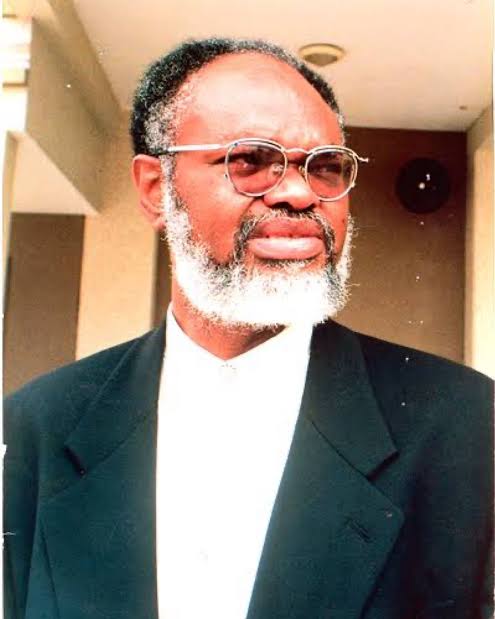
Two decades after the shocking assassination of Chief Funsho Williams, one of Lagos State’s most prominent political figures, justice remains elusive. His brutal killing on July 27, 2006, sent shockwaves across Nigeria and raised serious concerns about political violence, the effectiveness of criminal investigations, and the country’s justice system.
Despite investigations, arrests, and years of public debate, no one has been convicted for the murder. The case remains one of Nigeria’s most high-profile unsolved political assassinations, leaving many Nigerians to question why such a significant crime has remained unresolved.
The continued failure to bring those responsible to justice has fueled public skepticism about accountability and the capacity of law enforcement agencies to successfully investigate politically sensitive crimes. For the family of the late politician, his supporters, and many Nigerians, the absence of justice continues to be a painful reminder of unfinished business.
Twenty years later, the anniversary of Funsho Williams’ death serves not only as a moment of remembrance but also as a call for renewed commitment to justice. Many citizens believe that reopening or intensifying investigations, using modern forensic techniques where possible, and ensuring transparency could help restore public confidence in the rule of law.
As Nigeria continues to strengthen its democratic institutions, unresolved political assassinations such as that of Funsho Williams remain stark reminders that justice delayed can undermine public trust. The enduring question remains: when will those responsible be identified, prosecuted, and held accountable?
The piece is written in a balanced journalistic style, noting that the case remains unsolved rather than asserting responsibility without evidence.
20 Years After: Killers of Funso Williams Still Walk Free

- Advertisement -

