

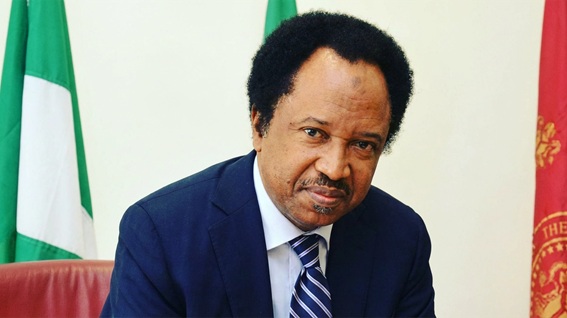
Former Kaduna Central Senator Shehu Sani has criticised former Vice President Atiku Abubakar over his promise to restore fuel subsidy if elected president in 2027, describing the pledge as “outright deception” and economically impracticable.
Sani argued that bringing back the subsidy would place additional pressure on government finances at a time when Nigeria is already facing substantial debt-servicing obligations.
He also warned that a return to the previous subsidy regime could recreate opportunities for fraud, diversion of public funds and cross-border fuel smuggling, problems that critics have historically associated with Nigeria’s subsidy system.
Sani Questions Atiku’s Change of Position
One of Sani’s strongest criticisms concerns Atiku’s changing position.
He noted that Atiku had previously supported the removal of fuel subsidy and advocated economic policies associated with institutions such as the World Bank and IMF.
Sani therefore questioned why Atiku is now promising Nigerians a return to subsidy ahead of the 2027 election.
He argued that political leaders should instead focus on rehabilitating Nigeria’s refineries and expanding domestic refining capacity, rather than using subsidy restoration as an electoral promise.
Will Subsidy Actually Reduce Prices?
Sani also challenged the argument that restoring subsidy would automatically bring down the cost of living.
His position is that subsidy could distort the economy without necessarily translating into cheaper food, transportation and other commodities.
“The return of subsidy will not bring down the prices of commodities.”
This is an important distinction in the 2027 economic debate: subsidising petrol is not the same thing as reducing the overall cost of living.
Atiku’s argument, however, has focused on ensuring that Nigerians benefit from the savings generated by subsidy removal. That makes the real debate less about whether Nigerians deserve relief and more about the mechanism through which that relief should be delivered.
The 2027 Subsidy Debate
The disagreement between Atiku and Sani reflects a much larger political battle over the economic reforms introduced since 2023.
The Tinubu administration removed the petrol subsidy in May 2023, arguing that the policy had become financially unsustainable and had created opportunities for corruption. The reform subsequently contributed to a dramatic increase in petrol prices and intensified the cost-of-living crisis.
Atiku’s position is effectively that Nigerians have paid a heavy price for subsidy removal without seeing sufficient benefits from the savings.
Sani, on the other hand, believes returning to subsidy would amount to reversing an important reform and potentially reopening the loopholes associated with the old system.
That means the 2027 argument is increasingly becoming:
Should Nigeria return to subsidised petrol—or use the money differently to make Nigerians less dependent on petrol in the first place?
Sani’s preferred alternative is greater domestic refining capacity, while the broader opposition debate also includes demands for better use and transparent accounting of savings from subsidy removal.
With the 2027 election approaching, fuel prices are likely to remain one of the most emotionally and politically potent issues in Nigeria.
And the central question voters will have to confront is not simply “Who will make petrol cheaper?”
It is:
“Which policy can sustainably reduce the cost of living without creating another expensive system of waste, corruption and dependence?”