

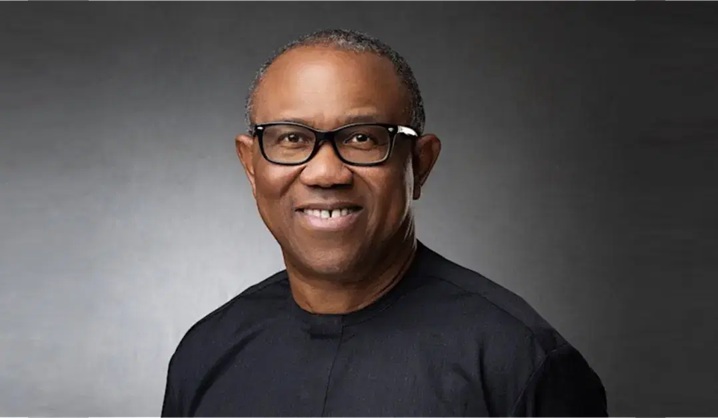
The presidential candidate of the Nigeria Democratic Congress (NDC) for the 2027 general elections, Peter Obi, has made another financial donation to a Catholic educational institution in Onitsha, Anambra State, as part of his continued support for the education sector.
Obi made the donation on Thursday during a visit to the institution, adding to the ₦50 million contribution he had earlier made during its official opening in 2024. The former Anambra State governor has also provided support to several other schools and educational initiatives in different parts of the country in recent years.
The businessman and politician stated that his investments in education are personally funded and reflect his long-held belief that the development of quality education is essential to Nigeria’s social and economic transformation.
According to Obi, no nation can achieve sustainable progress without making deliberate investments in the knowledge, skills, and capacity of its younger generation.
Supporters have applauded the donation, describing it as consistent with his long-standing advocacy for improved education, human capital development, and greater investment in young people.
Many of his supporters argued that his philanthropic interventions demonstrate the kind of priorities he would pursue if entrusted with public office, pointing to his record of supporting schools, healthcare institutions, and humanitarian causes.
However, critics have questioned the timing of the donation, given the increasing political activities ahead of the 2027 general elections.
Some opponents have described the gesture as a form of political image-building or potential vote inducement, while also raising questions about the sources and transparency of the funds used for such donations.
Obi’s supporters have rejected such criticisms, maintaining that his charitable contributions predate his current presidential ambition and form part of a broader personal commitment to social development.
The donation has once again fueled public discussions about the intersection between philanthropy and politics in Nigeria, especially when public figures who are seeking elective office engage in charitable activities.
Political analysts note that while philanthropy by politicians can contribute positively to societal development, it often attracts scrutiny during election periods because of concerns about influence, perception, and campaign ethics.
The debate also reflects the broader contest of narratives shaping Nigeria’s political landscape ahead of 2027, as candidates and parties seek to present their records, values, and visions to the electorate.
Obi, who moved to the NDC in May 2026 and emerged as its presidential candidate, remains one of the key figures in the opposition movement challenging the ruling establishment.
As reactions continue to trail the donation, the event underscores how acts of charity by prominent politicians are likely to remain subjects of public debate in the run-up to Nigeria’s next general elections.
Supporters view the contribution as an investment in Nigeria’s future, while critics insist that public figures seeking office must expect heightened scrutiny of their actions and motivations.
The discussion highlights the broader importance of transparency, accountability, and public trust in the relationship between political leadership and social responsibility.


