

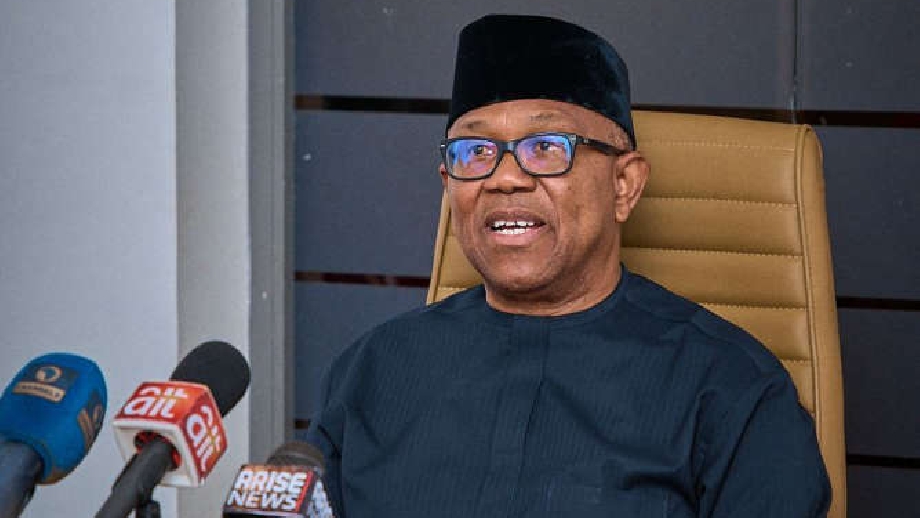
Former Anambra State Governor and presidential candidate of the Peter Obi has urged Nigerians to reject the practice of linking criminality to entire ethnic groups, warning that such narratives threaten national unity and social cohesion.
In a statement titled “Media Framing of Crime Along Ethnic Lines: Divisive,” Obi reflected on his personal experiences as an Igbo man, noting that he understands the pain of being stereotyped and judged based on ethnic identity rather than individual character.
Drawing parallels with the experiences of ordinary Fulani citizens, he argued that many law-abiding members of the community are unfairly stigmatized because of the actions of criminal elements involved in banditry, kidnapping, and other violent crimes.
Obi emphasized that criminal behavior should be treated as an individual act rather than an ethnic characteristic, insisting that a terrorist, kidnapper, or thief should be identified and prosecuted for their crimes without implicating entire communities.
Referencing the civil rights movement in the United States and the message of Martin Luther King Jr., Obi argued that people should be judged by their character and actions rather than their ethnicity, religion, or place of origin.
According to him, every Nigerian ethnic group possesses unique cultural strengths, traditions, and contributions that should be celebrated rather than overshadowed by stereotypes. He warned that ethnic profiling fuels prejudice, deepens social divisions, and creates opportunities for political actors to exploit communal tensions for personal gain.
The statement comes amid continuing debates over insecurity in Nigeria and the tendency in some public discussions to associate crimes such as banditry, terrorism, and kidnapping with particular ethnic groups.
Obi called for a Nigeria founded on justice, mutual respect, and equal citizenship, where no individual is condemned because of tribe, religion, or birthplace.
His message concluded with a call for national unity and a renewed commitment to building a country where diversity is embraced and citizens are evaluated based on their conduct rather than inherited identities.
The statement has resonated with many Nigerians who advocate a distinction between criminal actors and the wider communities from which they may originate, while also contributing to ongoing discussions about media responsibility, social cohesion, and nation-building.


