


The political undercurrents surrounding the recent U.S. visit of are increasingly being interpreted within the larger framework of Nigeria’s approaching 2027 General Elections. What might ordinarily have been seen as a routine diplomatic engagement has, in the present climate, taken on deeper political meaning as alignments and counter-alignments intensify across the country’s major power blocs.
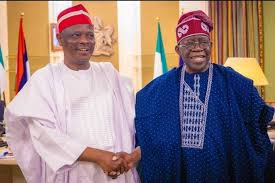
With President expected to seek re-election in 2027, opposition figures such as and are widely viewed as influential actors capable of reshaping electoral calculations, particularly in Northern Nigeria. Recent political tensions, investigations, and public accusations have therefore been framed by critics as early maneuvering ahead of what promises to be a fiercely contested national poll.
“If this government makes the mistake of going after Mallam Nasir El-Rufai, especially now that they have begun targeting Kwankwaso and other northern leaders simply because of their political affiliation, that’s when they will see the true colors of Northerners. We are watching closely.” @Mallam_Jabeer posted on his X handle.
Opposition voices argue that increasing institutional pressure on dissenting political figures signals an attempt to weaken alternative platforms before the campaign season fully unfolds. Within this narrative, some commentators describe the developments as part of a broader effort to consolidate dominance and discourage fragmentation within the ruling structure, thereby tilting the competitive landscape in favor of incumbency.
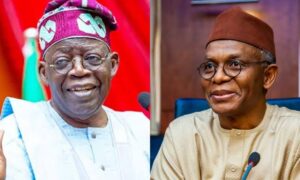
Supporters of the administration, however, reject claims of any “one-party system” agenda, maintaining that Nigeria’s democratic institutions remain functional and that investigations or security actions involving political actors are procedural rather than partisan. They argue that internal disagreements and realignments within and outside the ruling party reflect normal democratic contestation rather than systemic suppression.
What is undeniable is that Nigeria has entered an early pre-election atmosphere where perception is as powerful as policy. Every diplomatic engagement, legal development, and political statement is now filtered through the prism of 2027. Whether the current tensions amount to strategic consolidation or routine political friction will ultimately be judged by how open, competitive, and transparent the next electoral cycle proves to be.


