

Former presidential candidate Peter Obi made an unannounced visit to a local restaurant in Akwa Ibom State, drawing attention to grassroots economic realities and the challenges faced by small business owners.
Obi stopped by The Afang Place, a modest eatery run by entrepreneur Grace Umoh, where he shared a meal with members of his team and engaged directly with staff on the issues affecting their business.
According to accounts from the visit, discussions centered on the difficulties small and medium-scale enterprises (SMEs) face, including multiple taxation, limited access to funding, and a lack of structured government support. Obi reportedly listened to the concerns and reiterated the need for policies that would create a more enabling environment for local businesses to thrive.
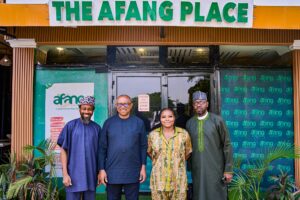
The visit, though informal, has generated significant reactions online after Umoh shared her experience, describing the moment as a milestone for her business. Supporters of Obi praised the gesture, viewing it as a reflection of his hands-on and people-focused leadership style.
Observers note that such grassroots engagements are becoming increasingly relevant in Nigeria’s political landscape, especially as economic challenges continue to affect everyday livelihoods. Small businesses, which form a critical part of the country’s economy, have been under pressure from rising costs, inflation, and regulatory hurdles.
During the visit, Obi also reportedly highlighted the importance of supporting local production and consumption, aligning with his broader economic message of strengthening domestic industries.
While critics argue that such visits can be symbolic, supporters insist they provide valuable insight into the lived experiences of ordinary Nigerians and help shape responsive policy proposals.
The stop at The Afang Place also underscores the role of informal interactions in modern political communication, where direct engagement with citizens often resonates more strongly than formal speeches or large rallies.
As Nigeria approaches another election cycle, moments like these are likely to play a role in shaping public perception, particularly among young voters and small business owners who are increasingly vocal about economic reforms.
For Grace Umoh and her team, however, the visit was more than political—it was a rare opportunity to share their story with a national figure, highlighting both the struggles and resilience of small-scale entrepreneurs in Nigeria.
In a climate where economic hardship dominates public discourse, such encounters serve as a reminder of the human stories behind policy debates and political ambitions.


