

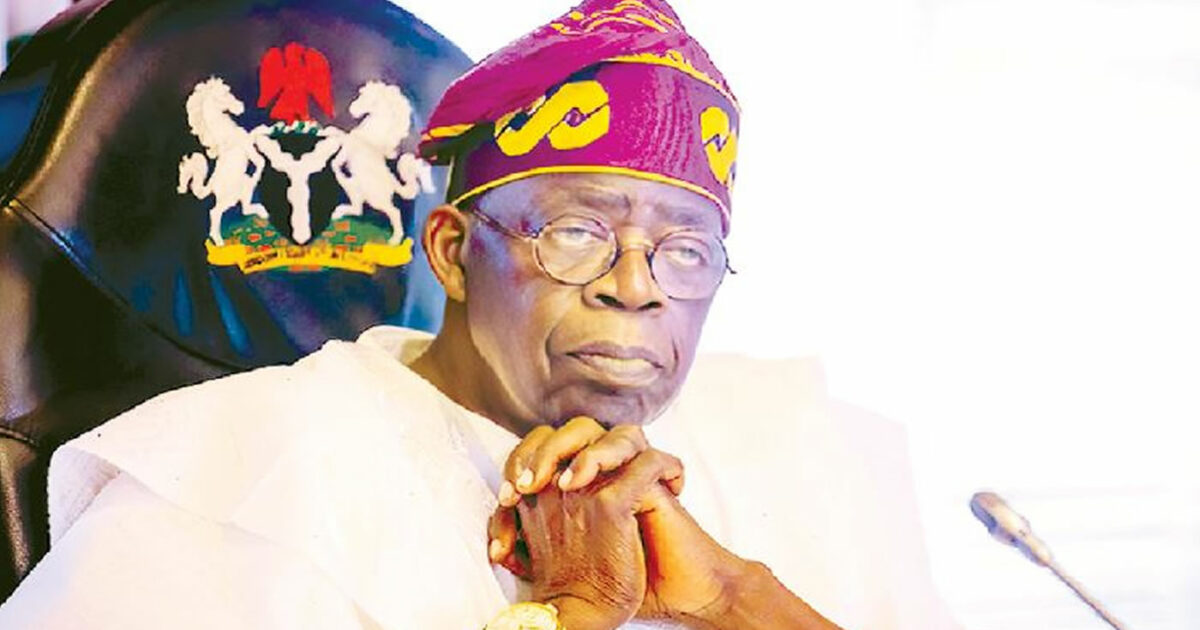
President Bola Ahmed Tinubu has defended his administration’s borrowing strategy and dismissed growing insecurity as a politically motivated attempt to weaken his government, even as Nigeria’s debt profile and safety concerns continue to draw scrutiny.
Speaking during a meeting at the Presidential Villa in Abuja with Caleb Mutfwang and other stakeholders, the president justified the government’s rising debt, which reportedly reached ₦159.28 trillion by December 2025. According to Tinubu, borrowing remains a necessary tool to finance critical infrastructure and drive long-term economic growth.
He pointed to major projects such as the proposed Sokoto–Badagry Superhighway as examples of strategic investments aimed at boosting connectivity, trade, and national development. The administration maintains that such capital-intensive projects require significant funding, which cannot be sourced solely from existing revenues.
However, concerns persist over the sustainability of Nigeria’s fiscal position. The 2026 national budget allocates approximately ₦15.8 trillion to debt servicing alone, a figure that has intensified debate among economists and opposition figures about the long-term implications for economic stability and public welfare.
On the security front, Tinubu addressed the rising wave of banditry, kidnappings, and violent attacks in parts of the country, particularly in Plateau and other affected regions. He rejected claims that his administration has been ineffective, instead accusing political opponents of amplifying insecurity narratives to undermine his leadership.
The president’s remarks come amid heightened public anxiety over both economic hardship and loss of lives, with critics arguing that governance priorities should shift more decisively toward immediate relief and security reforms.
Despite the backlash, Tinubu reiterated his political resolve, signaling his intention to seek re-election in 2027. His stance has further fueled debate about the intersection of governance performance, economic policy, and political ambition as Nigeria approaches another critical electoral cycle.
Analysts note that while infrastructure investment remains essential for development, the balance between borrowing, fiscal discipline, and citizens’ welfare will be a defining issue for the administration. At the same time, the government’s response to insecurity is likely to remain central to public judgment in the years leading up to the next general elections.
As the conversation intensifies, Nigerians are increasingly focused on whether current policies can deliver both economic stability and improved security—two pillars that will shape not only the nation’s future but also the political fortunes of those in power.


