

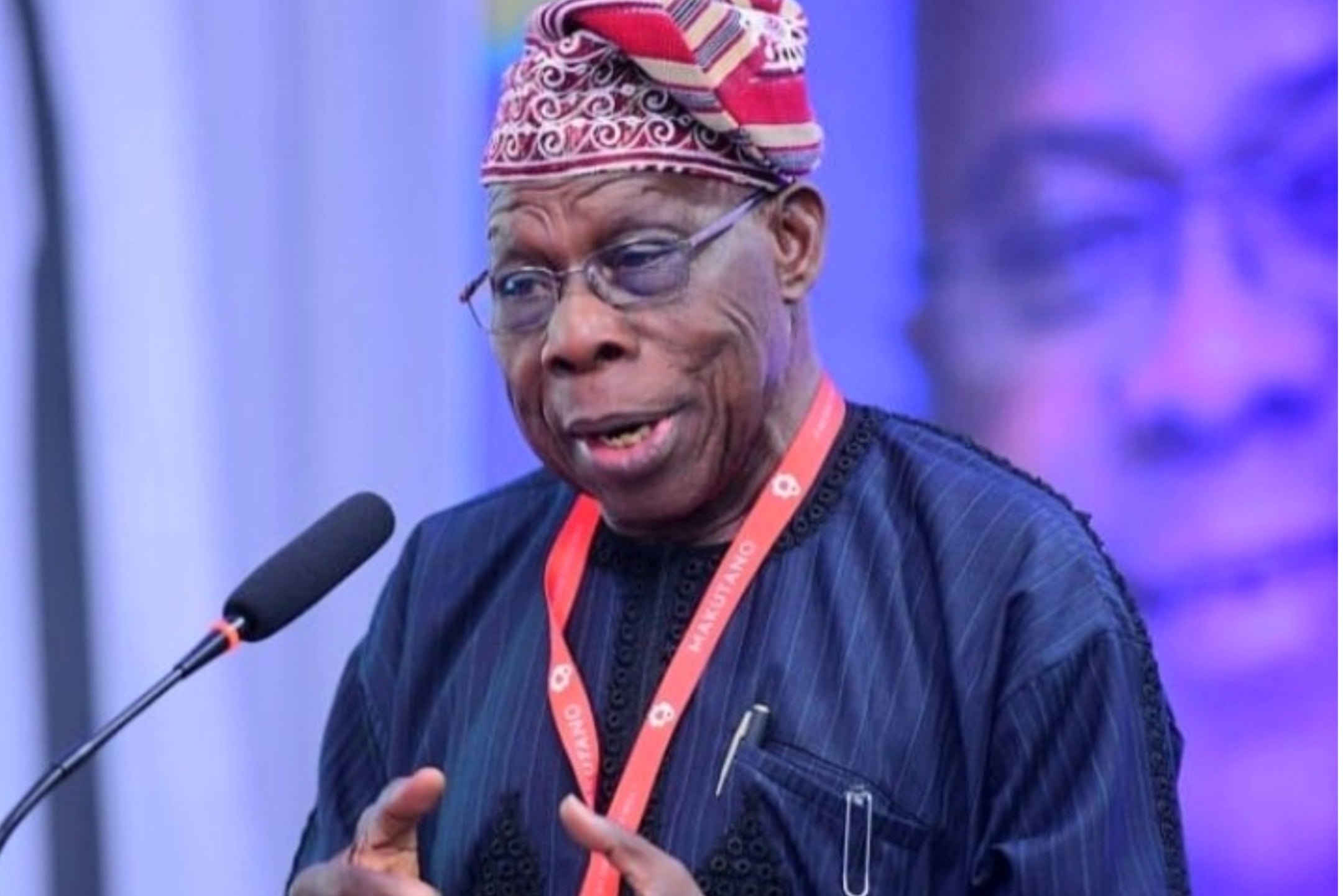
Former President Olusegun Obasanjo has declared that Nigeria’s government-owned refineries are unlikely to function effectively again, reigniting debate over the future of the country’s oil sector and energy policy.
Obasanjo made the assertion during a recent public engagement, where he expressed skepticism about the viability of state-managed refineries, citing years of inefficiency, mismanagement, and failed rehabilitation efforts. According to him, repeated attempts by successive governments to revive the facilities have yielded little to no sustainable results.
Nigeria’s major state-owned refineries—located in Port Harcourt, Warri, and Kaduna—have for decades struggled with underperformance, despite billions of naira spent on maintenance and turnaround repairs. The facilities, once central to the country’s petroleum supply chain, have operated far below capacity or remained largely dormant for extended periods.
Obasanjo argued that the structural challenges facing these refineries go beyond technical faults, pointing instead to deeper issues of governance, accountability, and institutional inefficiency. He suggested that continued reliance on government control may not be the most effective path forward.
His remarks come at a time when Nigeria is undergoing significant energy reforms under the administration of Bola Tinubu, including the controversial removal of fuel subsidies and efforts to attract private investment into the sector.
Analysts say Obasanjo’s comments align with a long-standing argument among some experts that privatization or full commercialization of the refineries may be necessary to achieve efficiency and sustainability. Proponents of this view believe that private sector involvement could introduce better management practices, transparency, and operational discipline.
However, others caution that outright dismissal of state-owned refineries may overlook their potential strategic value. They argue that with the right reforms, governance structures, and oversight mechanisms, public assets can still be revitalized to serve national interests.
The debate has gained further relevance with the emergence of privately owned refining capacity in Nigeria, particularly large-scale projects that aim to reduce the country’s dependence on imported petroleum products. These developments have shifted attention toward a more market-driven approach to refining and distribution.
Public reaction to Obasanjo’s statement has been mixed. Some Nigerians see it as a blunt but realistic assessment of decades of failure, while others view it as overly pessimistic and dismissive of ongoing rehabilitation efforts.
Industry stakeholders note that the future of Nigeria’s refining sector will likely depend on a combination of policy direction, investment climate, and institutional reform. Whether government-owned refineries can be revived or phased out in favor of private alternatives remains a critical question for policymakers.
As the country continues to navigate energy challenges and economic reforms, Obasanjo’s remarks have once again brought the issue of refinery management to the forefront of national discourse, highlighting the urgent need for sustainable solutions in Nigeria’s oil and gas sector.