

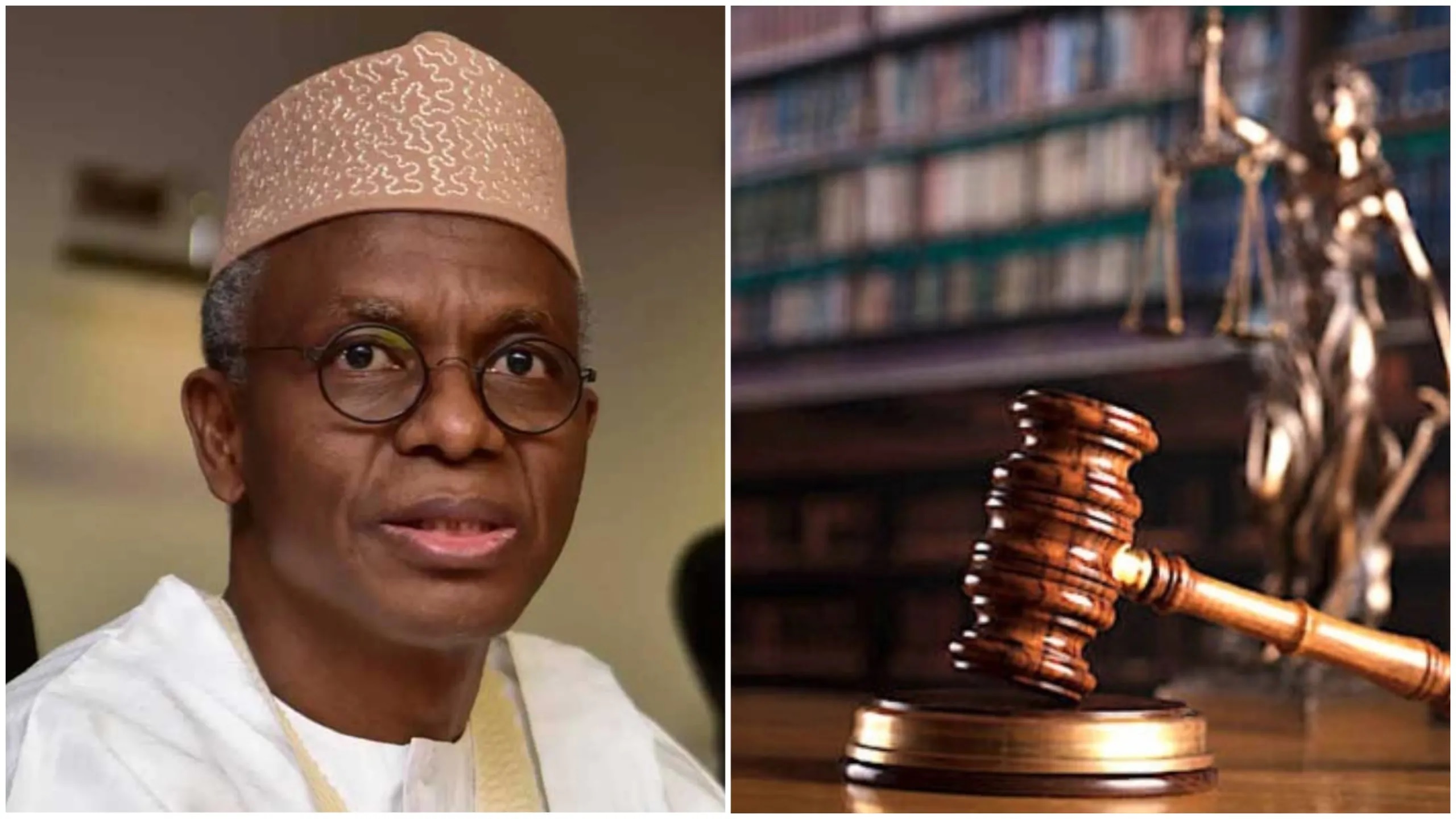
The exclusion of journalists from the trial of former Kaduna State governor Nasir El-Rufai has sparked widespread criticism, with legal experts and civil society groups describing the move as unconstitutional and a threat to judicial transparency.
Security operatives reportedly prevented members of the press from accessing the courtroom during proceedings, raising concerns about openness in the administration of justice. Observers argue that such actions undermine the principle of fair and public hearing, a cornerstone of democratic legal systems.
Legal analysts point to provisions of the Nigerian Constitution which guarantee public trials, except in specific and clearly justified circumstances such as matters involving national security or the protection of vulnerable individuals. In this case, critics say no such justification has been publicly provided.
“This kind of restriction raises serious constitutional questions,” one legal practitioner noted. “The judiciary must not only be fair but also be seen to be fair. Excluding the media erodes that confidence.”
Civil society organizations have echoed similar concerns, warning that barring journalists could set a dangerous precedent where high-profile cases are shielded from public scrutiny. They argue that media coverage plays a vital role in ensuring accountability and keeping citizens informed about judicial processes.
The development has also reignited debate about the independence of the judiciary and the role of security agencies in court proceedings. Critics contend that security operatives should not act in ways that could be perceived as interfering with the openness of trials.
Supporters of the restriction, however, suggest that security considerations may have informed the decision, especially given the high-profile nature of the case. They argue that maintaining order and safety within court premises is a legitimate concern, though they acknowledge that such measures should be clearly communicated and justified.
As of the time of reporting, there has been no comprehensive official explanation from court authorities or security agencies regarding the specific reasons for the media restriction.
The case involving El-Rufai, a prominent political figure, has attracted significant public interest, making transparency even more critical. Analysts warn that limiting access to information in such cases could fuel speculation and erode trust in the justice system.
The Nigerian Bar Association (NBA) and other stakeholders are expected to weigh in further, with some already calling for a review of the decision to ensure compliance with constitutional standards.
Ultimately, the controversy highlights a broader issue within Nigeria’s legal system: balancing security concerns with the fundamental right to open justice. As debates continue, many are calling for clearer guidelines to prevent similar incidents in the future and to safeguard the integrity of judicial proceedings.


