

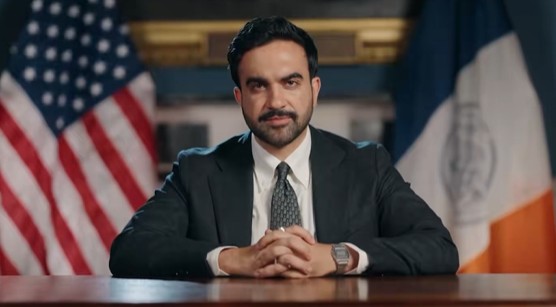
New York City Mayor Zohran Mamdani has stepped back from earlier remarks suggesting that Israeli Prime Minister Benjamin Netanyahu could face arrest during a planned visit to New York, acknowledging after a legal review that the city has no authority to enforce an arrest warrant issued by the International Criminal Court (ICC).
The clarification comes ahead of Netanyahu’s expected visit to New York in September for the United Nations General Assembly (UNGA), where world leaders are scheduled to gather for the annual high-level diplomatic meetings.
Speaking after reviewing the legal implications of his earlier comments, Mamdani conceded that neither the Office of the Mayor nor the New York Police Department possesses the legal authority to execute an ICC arrest warrant. However, he maintained his criticism of the Israeli leader, describing Netanyahu as a war criminal and urging the United States federal government to comply with its international legal obligations.
The mayor’s initial remarks had sparked widespread debate in the United States and internationally, with legal scholars and foreign policy analysts questioning whether any local authority in the United States could lawfully detain a visiting foreign head of government on behalf of the ICC.
The controversy intensified after U.S. President Donald Trump responded on his Truth Social platform, declaring that Netanyahu would not be arrested while in the United States. Trump praised the Israeli prime minister for his leadership during the ongoing regional conflict involving Iran and reaffirmed his administration’s support for Israel.
Legal experts have largely dismissed the prospect of any mayor ordering such an arrest. They note that the United States is not a State Party to the Rome Statute, the treaty that established the International Criminal Court, and therefore is not legally obligated to execute ICC arrest warrants.
Constitutional scholars also pointed out that municipal governments in the United States do not possess independent authority over matters of international law or foreign relations, which fall under the jurisdiction of the federal government. They further observed that decisions involving diplomatic immunity and the treatment of foreign leaders are governed by federal law and international legal principles.
Several legal analysts additionally cited the doctrine of head-of-state immunity, which generally protects serving foreign leaders from certain legal actions while carrying out official duties abroad, although the scope of such immunity continues to be debated in international law.
Israeli officials dismissed Mamdani’s original comments as politically motivated and legally unfounded, insisting that the mayor had no constitutional or statutory authority to direct law enforcement agencies to carry out such an action.
The exchange has added another dimension to the ongoing political debate in the United States over the war in Gaza and Washington’s relationship with Israel. The conflict has continued to generate sharply divided opinions among American politicians, civil society organisations and advocacy groups.
Observers note that the episode highlights the complex intersection of international criminal law, diplomatic relations and domestic constitutional authority. They argue that while public officials may express political opinions regarding international conflicts, the enforcement of international legal decisions remains subject to national laws and treaty obligations.
As preparations continue for the United Nations General Assembly, attention is expected to remain focused on Netanyahu’s visit and the broader diplomatic discussions surrounding the Middle East conflict. Analysts believe the latest development underscores the legal limitations facing local authorities in matters involving international diplomacy and foreign heads of government.


