

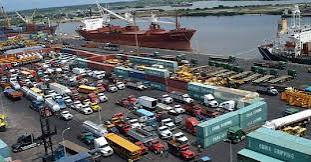
Nigeria recorded a merchandise trade surplus of ₦12.6 trillion in the second quarter of 2026, as the country’s total trade rose to ₦41.44 trillion, according to the latest data from the National Bureau of Statistics (NBS).
The NBS figures showed that the trade surplus increased by 101.32 per cent compared with the corresponding period, while total merchandise trade grew by 5.61 per cent year-on-year and 19.13 per cent compared with the first quarter of 2026.
Nigeria’s exports stood at approximately ₦27.02 trillion, significantly higher than imports during the period. The stronger export performance was a major contributor to the positive trade balance recorded during the quarter.
The development is important because a trade surplus means the value of goods Nigeria sold internationally exceeded the value of goods it purchased from other countries. Sustained export growth could strengthen foreign-exchange earnings and support the country’s external position.
The latest figures also point to the continued importance of the oil and gas sector to Nigeria’s export earnings. Crude oil and other petroleum-related products remain major contributors to the country’s merchandise exports, although policymakers have repeatedly called for greater diversification.
The increase in total trade also indicates continued activity in Nigeria’s international commerce, with businesses importing machinery, manufactured products, raw materials and other goods needed for domestic production and consumption.
However, the positive trade balance does not necessarily mean that households and businesses will immediately experience lower prices or improved living standards. The impact will depend on factors including exchange-rate stability, inflation, production costs and how effectively export earnings translate into broader economic activity.
Nigeria’s latest trade performance comes amid ongoing government efforts to strengthen exports, attract investment and reduce dependence on imported goods.
The NBS trade report therefore provides another important indicator of Nigeria’s economic performance, particularly as policymakers seek to improve foreign-exchange liquidity and expand non-oil exports.


