

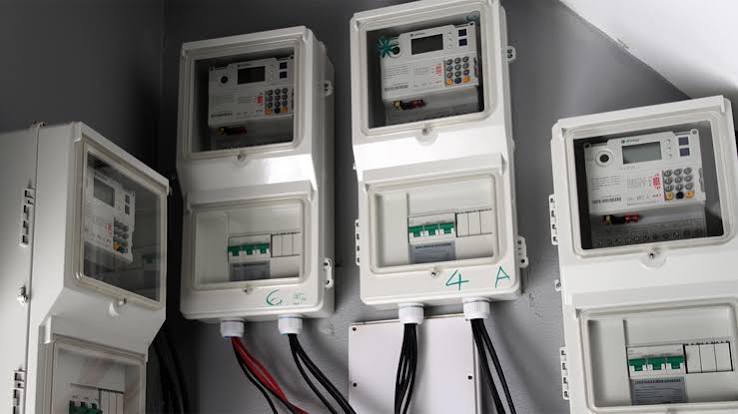
Nigeria’s electricity sector has recorded improvement in customer metering, with coverage reaching 59.69 percent, but about 5.13 million customers are still without electricity meters, according to recent industry figures.
The data shows that although more consumers are now connected to prepaid or smart metering systems, a large number of households and businesses continue to depend on estimated billing methods. The situation has kept concerns about accurate electricity charges and consumer protection at the centre of discussions within the power sector.
The continued metering gap remains a major issue because access to reliable billing systems is closely linked to public confidence in electricity distribution companies. Many consumers have consistently called for faster meter deployment, arguing that paying based on actual electricity usage provides greater transparency and reduces disputes over bills.
Energy sector analysts say expanding metering coverage is essential for improving efficiency across Nigeria’s electricity value chain. They explain that accurate consumption data can help distribution companies manage demand better, improve revenue collection, and encourage consumers to adopt more responsible energy usage habits.
The challenge of providing meters to all electricity customers has been linked to factors including funding limitations, supply constraints, infrastructure needs, and the complexity of reaching millions of users across different locations. Stakeholders have continued to advocate for stronger partnerships between government agencies, private investors, and electricity distribution firms to speed up the process.
The metering issue is part of wider efforts to reform Nigeria’s power sector and improve service delivery. Authorities have identified customer transparency, investment in infrastructure, and better operational systems as important steps toward creating a more efficient electricity market.
Nigeria’s electricity industry has undergone several reforms aimed at increasing generation, improving distribution, and expanding access to reliable power. Distribution companies remain responsible for delivering electricity to end users, while regulators continue to introduce measures aimed at reducing billing challenges and improving customer experience. Closing the metering gap remains a key priority as the country works toward a more accountable and sustainable power system.


