

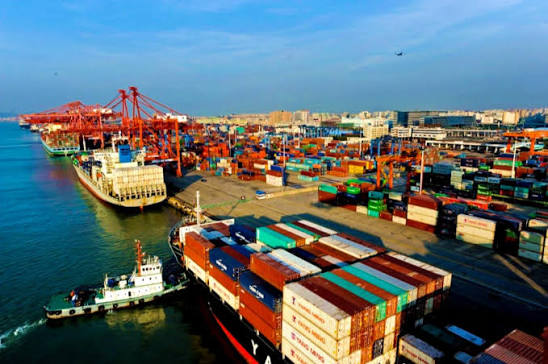
The Nigerian Ports Authority (NPA) has projected a busy period for Lagos maritime facilities, with 39 cargo vessels scheduled to arrive at the ports this week as shipping activities continue to increase.
The expected vessel movement highlights the important role of Nigeria’s seaports in supporting domestic commerce and international trade. The incoming ships are expected to deliver various categories of cargo, providing supplies for businesses, manufacturers, and consumers across different parts of the country.
The announcement is important because Lagos ports remain a major centre for Nigeria’s import and export activities. The volume and efficiency of cargo movement through these facilities have direct effects on business operations, supply chains, government revenue, and the availability of goods in the market.
Maritime stakeholders have continued to stress the need for efficient port management, faster cargo processing, and improved infrastructure to handle growing trade demands. They argue that reducing delays and improving logistics systems will help lower operational costs for businesses and strengthen Nigeria’s position as a regional trade hub.
The expected rise in vessel arrivals comes as the NPA continues efforts to improve port performance through better coordination with terminal operators, shipping companies, and other agencies involved in maritime operations. Authorities have maintained that efficient port services are essential for supporting economic growth and attracting investment.
Experts in the maritime sector note that cargo traffic is influenced by several factors, including international trade patterns, economic conditions, exchange rate movements, and the capacity of port facilities. They say sustained improvements in these areas will be necessary to ensure that Nigeria’s ports remain competitive.
The Nigerian Ports Authority is the government agency responsible for managing and regulating activities at the country’s ports. Its responsibilities include maintaining port infrastructure, facilitating maritime trade, and ensuring smooth cargo operations. Lagos ports, particularly Apapa and Tin Can Island ports, continue to handle a significant portion of Nigeria’s maritime trade and remain vital to the country’s economy.


