

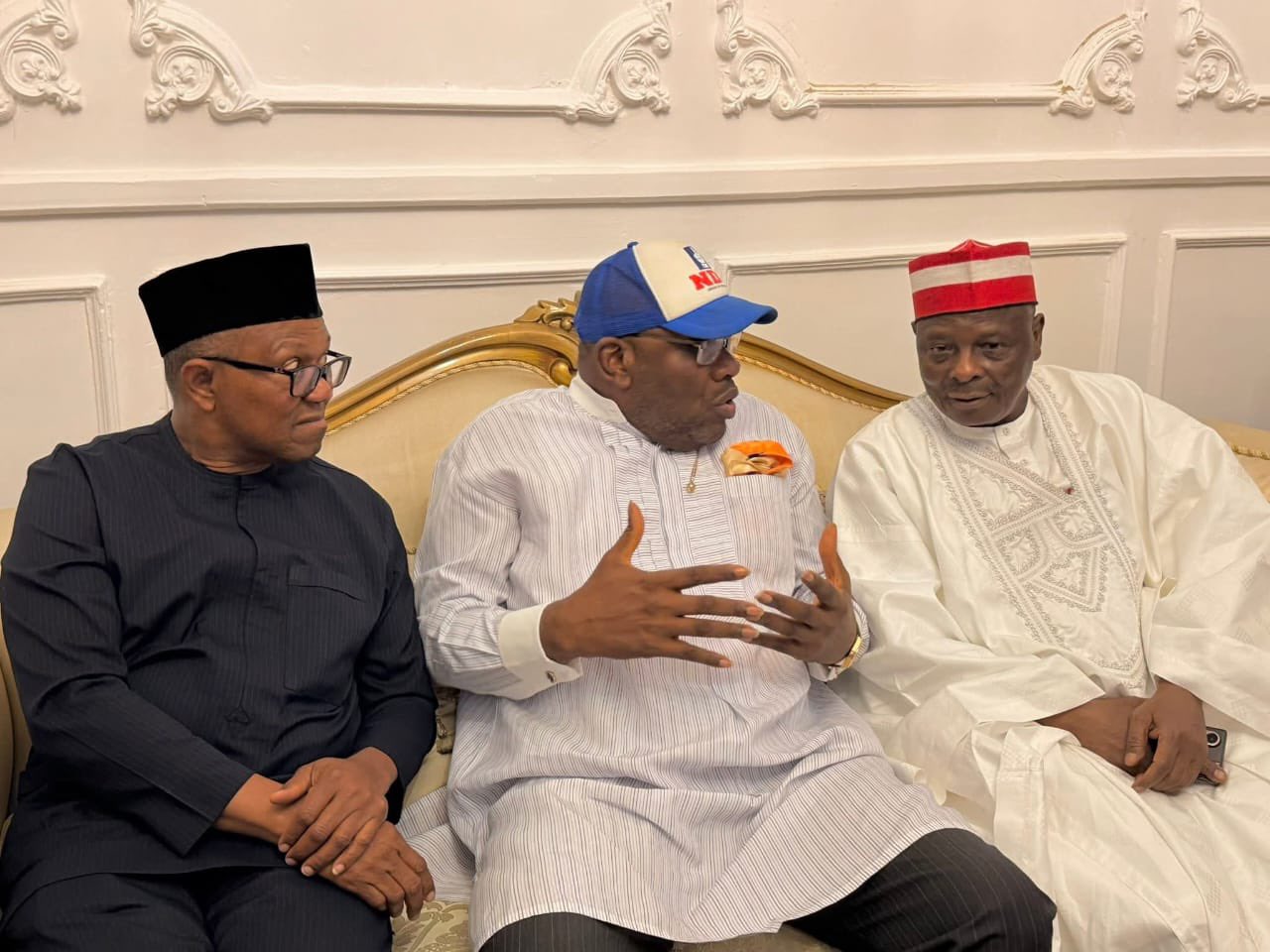
A fresh political crisis may be brewing within the Nigeria Democratic Congress (NDC) following the replacement of several candidates initially submitted by the Kwankwasiyya movement in Kano State, a development that has reportedly angered the camp of former Kano State Governor, .
According to reports, the NDC leadership in Kano reviewed and altered a list of candidates earlier forwarded by the Kwankwasiyya bloc, citing the need to comply with an existing power-sharing arrangement between both political structures.
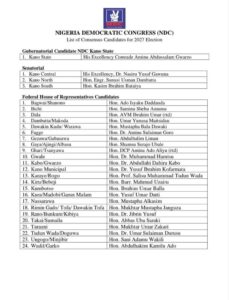
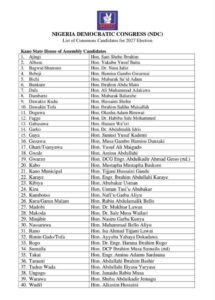
The controversy centers on an agreement that allegedly allocated elective positions and party offices on a 60-40 basis, with the Kwankwasiyya movement receiving 60 percent of available positions while the original NDC structure retained 40 percent.
A document signed by Kano State NDC Chairman, Hon. Hussaini Isah Mairiga, explained that the adjustments were necessary to reflect the agreed distribution formula. The document was copied to NDC National Leader, , Kwankwaso, and the party’s North-West Zonal leadership.
Under the revised arrangement, the party approved the following candidates for federal constituency tickets:
Barrister Isma’il Idris Sani — Kumbotso Federal Constituency
Nasiru Ali Ahmed — Nassarawa Federal Constituency
Kabiru Ishaq Sa’id — Kano Municipal Federal Constituency
Barrister Dayyabu Jamilu Ibrahim — Doguwa/Tudun Wada Federal Constituency
Muhammad Hamisu Abubakar — Dawakin Tofa/Rimin Gado/Tofa Federal Constituency
Ibrahim Bashir Bango — Sumaila/Takai Federal Constituency
Abdulmajid Isa Umar Mairigar Fata — Gwale Federal Constituency
The party also announced adjustments to State House of Assembly tickets in several constituencies, including Dala, Tarauni, Kumbotso, Ungogo, and Dawakin Kudu.
Sources familiar with the dispute say the replacements have heightened tensions between the Kwankwasiyya bloc and sections of the NDC leadership in Kano. Supporters of Kwankwaso reportedly view the changes as a breach of understandings reached during negotiations that preceded the alliance between both groups.
The development has fueled speculation that Kwankwaso may reconsider his future within the party if candidates associated with his political movement continue to be displaced. While no official statement confirming an exit threat has been issued by the former governor, political observers believe the dispute could test the stability of the NDC’s coalition-building efforts ahead of future elections.
Analysts note that the controversy underscores the challenges political parties often face when merging diverse interests and power blocs under a single platform. The success or failure of the 60-40 arrangement in Kano could have significant implications for the NDC’s cohesion, particularly in a state widely regarded as one of the most important political battlegrounds in northern Nigeria.
As party leaders move to contain the disagreement, attention is now focused on whether the affected factions can reach a compromise or whether the dispute will escalate into a wider internal crisis for the NDC.


